Driver and passenger airbags
Never place a rear-facing child seat in front of an active airbag.
If you must use a forward-facing child seat in the front seat, move the seat upon which the child seat is installed all the way back.
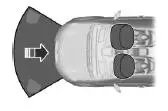
The driver and front passenger airbags will deploy during significant frontal and near-frontal crashes.
The driver and passenger front airbag system consists of:
• driver and passenger airbag modules

• crash sensors and monitoring system with readiness indicator. See Crash Sensors and Airbag Indicator later in this chapter.
• front passenger sensing system
Proper Driver and Front Passenger Seating Adjustmen
To properly position yourself away from the airbag:
• Move your seat to the rear as far as you can while still reaching the pedals comfortably.
• Recline the seat slightly (one or two degrees) from the upright position.
After all occupants have adjusted their seats and put on safety belts, it is very important that they continue to sit properly. Properly seated occupants sit upright, lean against the seat back, and center themselves on the seat cushion, with their feet comfortably extended on the floor.
Sitting improperly can increase the chance of injury in a crash event.
For example, if an occupant slouches, lies down, turns sideways, sits forward, leans forward or sideways, or puts one or both feet up, the chance of injury during a crash is greatly increased.
Children and Airbags
Never place a rear-facing child seat in front of an active airbag.
If you must use a forward-facing child seat in the front seat, move the seat upon which the child seat is installed all the way back.
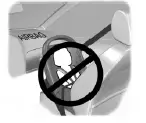
Children must always be properly restrained. Accident statistics suggest that children are safer when properly restrained in the rear seating positions than in the front seating position. Failure to follow these instructions may increase the risk of injury in a crash.
Test yourself
A quick Ford Mustang quiz: every answer comes with an explanation and a link to the manual page.