General safety information and caution
Safety Precaution
Precautions to take before servicing high voltage system
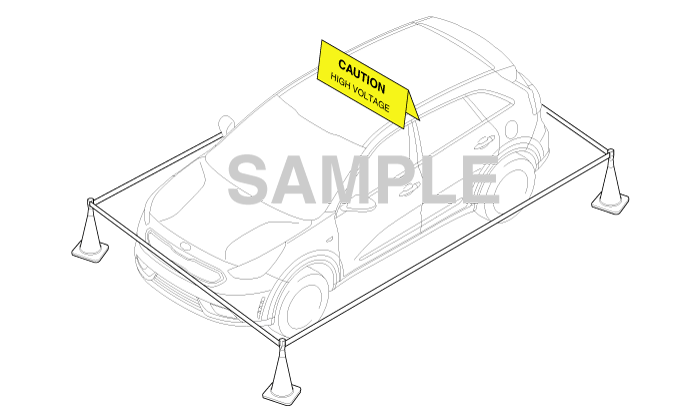

Personal Protective Equipment
| Name | Illustration | Description |
| Insulation gloves | 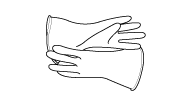 |
Used when inspecting or working on the high voltage components [Insulation performance : 1000V / 300A or above] |
| Insulation shoes | 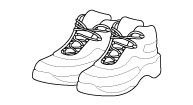 |
Used when inspecting or working on the high voltage components |
| Insulation clothes |  |
|
| Insulation helmet | 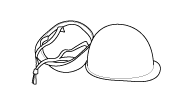 |
|
| Safety glasses | 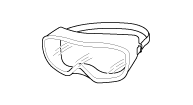 |
Used in the following cases : • During removal & installation or inspection of the high voltage battery terminals or wiring, where spark might happen. • When working on the high voltage battery pack assembly. |
| Face shield | 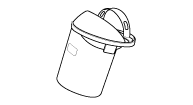 |
|
| Insulation mat | 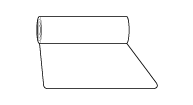 |
All removed high voltage components are placed on an insulation mat to prevent accident. |
| Insulation sheet |  |
Insulation sheet is used to cover high voltage components to protect people not wearing personal protective equipment from accident. |
| Warning tape | 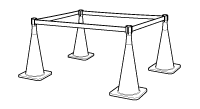 |
Used for informing that it is dangerous past this line. |
Personal Protective Equipment Inspection
Check that the personal protective equipment is not damaged.
Check that the insulation gloves are not torn or damaged.
Wear the insulation glove after removing moisture.
Precautions to take when handling power cable
Immediately insulate the high voltage terminal after reconnecting the terminal (use insulation tape).
Tighten the high voltage terminal screw to torque specifications.
Be careful that (+) and (-) terminals do not come in contact when connecting or disconnecting power cable and busbar.
Precautions to take when handling high voltage battery
When transporting high voltage battery, be sure to keep it flat and leveled. Failure to do so may decrease the battery performance and/or its life-span.
High voltage battery's performance may decrease if it is exposed to high temperature for a lengthy period. As a result, heat-treatment after painting must not exceed 70 °C / 30 minutes, or 80 °C / 20 minutes.
Precautions in case of fire on high voltage battery system
If the fire occurs indoor, ventilate the area to let out hydrogen gas.
ABC fire extinguisher is recommended for putting out the fire. (water may also be used).
Precautions in case of high voltage battery gas or electrolyte leakage
Turn OFF the Start button. Keep the Smart Key at least 2 meters (78.7 inch, 6.5 feet) away from the vehicle to prevent unintended engine start.
Gas is hydrogen and alkaline vapor. If the leakage is indoor, ventilate the area immediately and evacuate to a safe location.
If the leaked liquid comes in contact with skin, immediately neutralize the affected area with boric acid solution, then clean with tap water or saline solution.
If the leaked vapor or liquid gets in the eye, immediately clean the affected eye with water then get medical attention.
If the gas leakage is caused by high temperature, then do NOT use the battery until the high voltage battery fully cools down to room temperature.
Precautions when handling the vehicle after an accident
Be sure to wear insulated gloves (or rubber gloves), protective goggles, insulated suit, and insulated boots.
Do NOT touch bare cable under any condition (refer to "Precautions when handling power cable.")
In case of vehicle fire, put out the fire with ABC extinguisher. Do NOT use water (usage of large volume of water is okay, but small volume can worsen the situation).
If more than half of the vehicle is submerged, then do NOT go near the Safety Switch or other high voltage related components. If such a component must be accessed, then move the vehicle to the safe location first before handling the component.
Gas is hydrogen and alkaline vapor. If the leakage is indoor, ventilate the area immediately and evacuate to a safe location.
If the leaked liquid comes in contact with skin, immediately neutralize the affected area with boric acid solution, then clean with tap water or saline solution.
Refer to "High voltage cut-off procedure" if the high voltage needs to be cut off.
Preparations when servicing the accident vehicle
Be sure to wear insulated gloves (or rubber gloves), protective goggles, insulated suite, and insulated boots.
Boric acid power or solution
ABC Extinguisher
Towel for cleaning electrolyte
Vinyl tape (for insulating terminal)
Mega ohm tester (for checking high voltage)
Precautions in case HEV is left unattended for a lengthy period
Turn OFF the Start button. Keep the Smart Key at least 2 meters (78.7 inch, 6.5 feet) away from the vehicle to prevent unintended engine start.
We recommend that HEV is driven at least 1 time for over 30 minutes every 2 months to protect and manage the high voltage battery (inquire at relevant team in HMC).
When inspecting or exchanging the auxiliary battery, check high voltage battery SOC reset related problems.