Kia Sorento: SRS Maintenance
The SRS requires virtually no maintenance, so there are no parts that can be safely serviced by the owner. If the SRS airbag warning light does not come on or stays on, have the vehicle inspected by an authorized Kia dealer immediately.
Any work on the SRS, such as removal, installation, repair, or any work on the steering wheel, front passenger panel, front seats, and roof rails, must be performed by an authorized Kia dealer. Improper handling of the SRS may result in serious injury.
WARNING
- Modifying SRS components or wiring, including adding any kind of emblems to the pad or modifying the vehicle body structure, may adversely affect SRS operation and may result in injury.
- To clean the airbag covers, use only a soft dry cloth or one moistened with plain water. Solvents or cleaning agents may adversely affect the airbag covers and the proper operation of the system.
- Do not place any objects over or near the airbag modules in the steering wheel, instrument panel, or front passenger's instrument panel above the glove box. Any such object may cause injury if the vehicle is involved in an accident severe enough to deploy the airbags.
- If the airbags deploy, they must be replaced by an authorized Kia dealer.
- Do not tamper with or disconnect the SRS wiring or other SRS components. This may result in injury from accidental airbag deployment or render the SRS inoperative.
- If airbag system components must be disposed of, or if the vehicle must be scrapped, certain precautions must be observed. An authorized Kia dealer knows these precautions and can provide you with the necessary information. Failure to observe these precautions and procedures may increase the risk of personal injury.
- If your vehicle has been flooded and the carpet is wet or water has entered the floor, do not attempt to start the engine; tow the vehicle to an authorized Kia dealer.
Additional Precautions
- Never allow passengers to ride in the cargo area or on a folded rear seat. All passengers should sit upright, fully against the seatback, fasten their seat belts, and keep their feet on the floor.
- Passengers must not stand up or change seats while the vehicle is in motion. A passenger who is not wearing a seat belt during a collision or emergency stop may be thrown inside the vehicle, into other passengers, or out of the vehicle.
- Each seat belt is designed to restrain only one occupant. If more than one person uses the same seat belt, they may be seriously injured or killed in a collision.
- Do not use any accessories on the seat belts. Devices intended to improve occupant comfort or change the position of the seat belt may reduce the protection provided by the seat belt and increase the risk of serious injury in a crash.
- Passengers must not place hard or sharp objects between themselves and the airbags. Carrying hard or sharp objects on the lap or in the mouth may cause injury if the airbag deploys. • Keep passengers away from the airbag covers. All passengers should sit upright, fully against the seatback, with their seat belts fastened and their feet on the floor. If passengers are too close to the airbag covers, they may be injured if the airbags deploy.
- Do not attach or place objects on or near the airbag covers. Any object attached to or placed on the front or side airbag covers may interfere with proper airbag operation.
- Do not modify the front seats. Modifying the front seats could interfere with the sensors of the supplemental restraint system or the side airbags.
- Do not place objects under the front seats. Objects placed under the seat may interfere with the supplemental restraint system components, sensors and wiring harnesses.
- Never hold an infant or child on your lap. An infant or child may be seriously injured or killed in a crash. All infants and children must be properly secured in an appropriate child restraint or seat belt in the rear seat.
WARNING
- Improper or incorrect seating may cause occupants to be positioned too close to the deploying airbag, strike the interior structure, or be ejected from the vehicle, resulting in serious injury or death.
- Always sit upright with the seatback in the vertical position, centered on the seat cushion, with the seat belt fastened, and with legs and feet comfortably positioned on the floor.
- Always turn the ignition off when the vehicle is being towed or in any situation where it may be overturned, as the side airbags and/or curtain airbags may deploy if the sensors interpret these angles as a potential rollover.
- Be careful not to strike the doors while the ignition is on, as the airbags may deploy.
Adding Equipment or Modifying Your Vehicle with an Airbag System
If you modify your vehicle by replacing the frame, bumper system, front end or side sheet metal, or ground clearance, this may affect the operation of the airbag system.
Airbag Warning Label
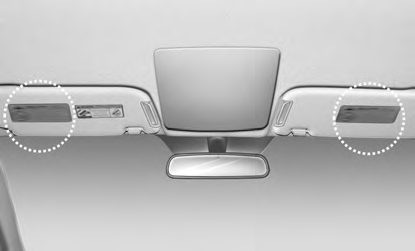
Airbag warning labels, some of which are required by the National Highway Traffic Safety Administration (NHTSA), are attached to the sun visor to alert the driver and passengers of the potential risks of the airbag system.
Test yourself
A quick Kia Sorento Owner's Manual quiz: every answer comes with an explanation and a link to the manual page.