Filling the tank with petrol, diesel or E85
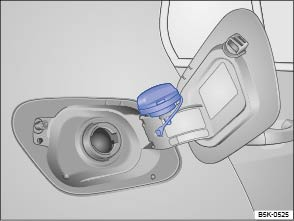
Fig. 188 Open tank flap with tank cap attached to the holder
 First read and observe the introductory information and safety warnings
Switch off the engine, ignition, mobile telephone and auxiliary heater before filling the tank and leave them switched off during refilling.
Opening the tank cap
- Unlock the vehicle with the vehicle key or press the central locking button
 on the driver door to unlock the vehicle from the inside .
- The tank flap is at the rear of the vehicle on the right.
- Press the rear of the tank flap to open it.
- Turn the tank cap anticlockwise and hook it on top of the tank flap .
Filling the tank
The correct fuel grade for your vehicle is shown on a sticker on the inside of the tank flap .
- The fuel tank is full when the (properly operated) automatic filler nozzle clicks off for the first time .
- Do not continue filling the tank after it switches off. The expansion space in the fuel tank will otherwise fill up and the fuel could spill out. This could also happen when the fuel warms up and expands.
Closing the tank cap
- Turn the tank cap clockwise into the fuel filler neck until it perceptibly engages.
- Close the tank flap so that it engages audibly. The tank flap must be flush with the vehicle bodywork.
After refuelling bioethanol vehicles
MultiFuel engines can be run either with petrol (RON 95) or with bioethanol E85, and with all mixtures of these two fuels . The proportion of bioethanol contained in the fuel must not exceed 85% . The procedure for refilling the vehicle is the same as for refilling with petrol .
After refuelling with a mixture of bioethanol and petrol, drive for at least five minutes so the engine can adapt optimally to the current mixture. During this period the idling engine speed can vary. During this period, do not drive at top speed, use high engine revs or depress the accelerator fully.
 Do not continue filling the tank once the filler nozzle stops automatically. The fuel tank could be overfilled. This can cause fuel to splash out and overflow. This can cause fires, explosions and serious injuries.

 NOTICE
- Remove spilt fuel from all vehicle components as quickly as possible in order to avoid damage to the wheel housing, tyres and vehicle paint.
- Always use the correct mixture for bioethanol in order to prevent damage to the engine and fuel system.

Spilt fuel can pollute the environment.
Test yourself
A quick Volkswagen Golf quiz: every answer comes with an explanation and a link to the manual page.