Because hybrid vehicles contain a high-voltage battery, improper handling of the high-voltage system or vehicle may result in serious accidents such as electric shock and current leakage.
Always disconnect the high voltage by removing the service plug before inspecting or repairing the high voltage system. (Refer to "High Voltage Disconnection Procedure")
The responsible technician must keep the removed service plug to prevent it from being reconnected accidentally.
Do not wear metal objects (watch, rings, etc.) while working on the high voltage system, as this may cause serious accidents such as electric shock.
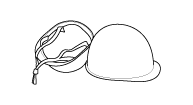
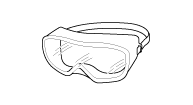
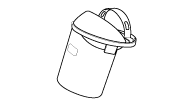
Before starting work on the high voltage system, the technician must wear personal protective equipment to prevent accidents. (Refer to "Personal Protective Equipment")
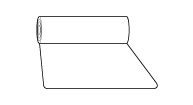
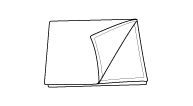
Never allow personnel who are not wearing personal protective equipment to touch the high voltage system. High voltage components must be covered with an insulating sheet to prevent safety accidents.
Use insulated tools when working on the high voltage system.
Place removed high voltage components on an insulating mat.
All high voltage wiring and connectors are orange.
A high voltage warning label is attached to high voltage components.
High voltage components: High voltage battery pack, Power Relay Assembly (PRA), BMS ECU, Hybrid Power Control Unit (HPCU), Hybrid Traction Motor, HSG, electric A/C compressor, Low voltage DC-DC Converter (LDC), power cable, electric compressor, etc.
Use a Mega Ohm Tester when measuring the insulation resistance of the high voltage system. Specification: Digital Volt-Ohm Meter (DVOM) "Category 3" leads and meter rated for 1000 V.
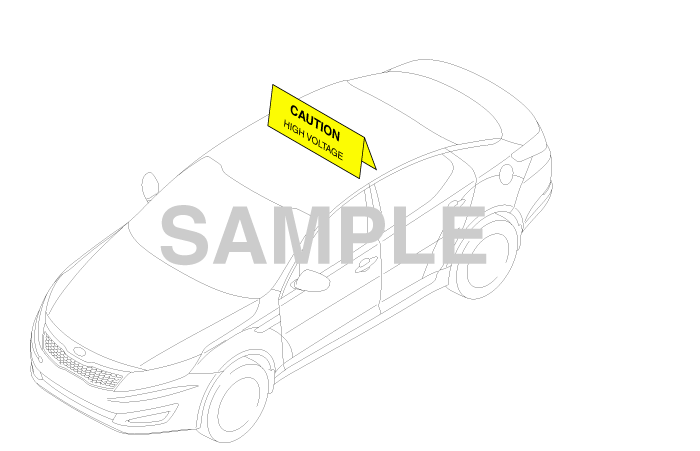
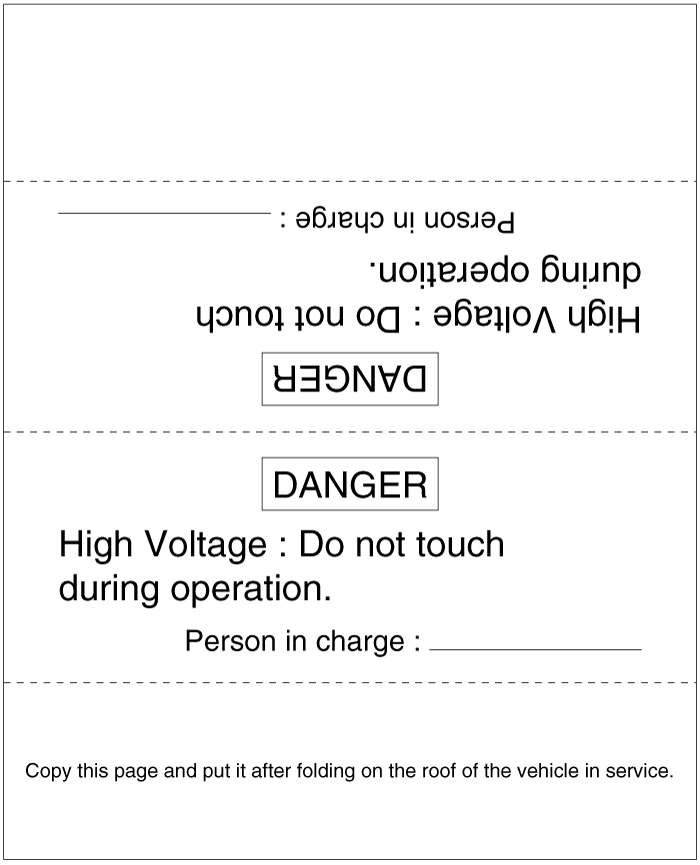
Indicate the high voltage hazard by attaching a "High Voltage Warning" to the vehicle, as shown in the figure below.
Personal Protective Equipment
Name
Illustration
Description
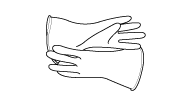
Insulated Gloves
Used when inspecting or working on high voltage components [Insulation performance: 1000 V / 300 A or higher]
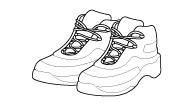
Insulated Shoes
Used when inspecting or working on high voltage components
Insulated Clothing
Insulated Helmet
Safety Glasses
Used in the following cases • Sparks may occur during removal, installation or inspection of high voltage battery terminals or wiring. • When working on the high voltage battery pack.
Face Shield
Insulated Mat
Place removed high voltage components on an insulated mat to prevent accidents.
Insulating Sheet
Cover high voltage components with an insulating sheet to prevent people who do not wear personal protective equipment from causing accidents.
Always follow the instructions below when repairing high voltage cable.
Before repair, check the voltage of the high voltage connector, terminal or busbar. Below 30 V: High voltage circuit is properly shut off. Above 30 V: High voltage circuit is faulty.
Be careful not to cause a short circuit between the positive (+) and negative (-) terminals.
After disconnecting, insulate the high voltage connector or terminal with insulating tape.
Tighten the high voltage terminal to the specified torque.
The high voltage battery must always be handled in a horizontal position during repair or storage. Otherwise, battery charge performance or service life may be reduced.
Exposure of the high voltage battery to strong heat may cause deterioration. Do not bake at temperatures above 70 °C for 30 min or 80 °C for 20 min during painting.