Fueling procedure
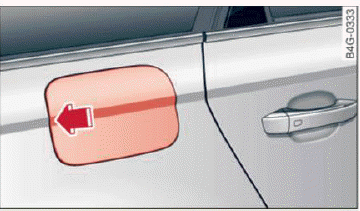
Fig. 174 Right rear side of the vehicle: opening the fuel filler door
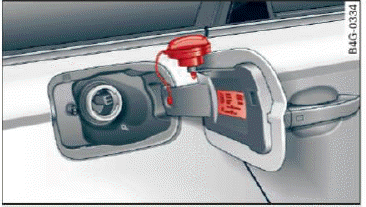
Fig. 175 Fuel filler door with attached fuel cap
The fuel filler door is unlocked or locked by the central locking system.
Opening the fuel cap
- Press on the left side of the fuel filler door to open
 fig. 174.
- Unscrew the tank cap counterclockwise.
- Place the cap from above on the open fuel filler door fig. 175.
Closing the fuel cap
- Screw the tank cap on to the right on the filler neck until it cannot turn any farther.
- Then press on the left side of the tank door until it latches.
Once the pump nozzle switches off, the fuel tank is "full". Do not fill the tank more. Otherwise the expansion space in the tank will be filled.
The correct fuel type for your vehicle can be found on a label located on the inside of the fuel filler door. For additional information on fuel.
The fuel tank capacity of your vehicle is listed in the Technical Data section.
To avoid fuel spilling or evaporating from the fuel tank always close fuel cap properly and completely.
An improperly closed fuel filler cap may also cause the MIL lamp to come on.
WARNING
Not paying attention when fueling or handling fuel incorrectly can lead to fires, explosions or serious injuries.
- Fuel ignites easily and can cause serious burns and other injuries.
- If you do not switch the engine off when fueling and/or do not insert the fuel nozzle completely into the tank opening, fuel can leak out or run over. Leaked fuel can ignite and start a fire.
- Do not use the telephone while fueling. The electromagnetic rays can cause sparks, which can ignite fuel vapors and start a fire.
- Do not sit in your vehicle while fueling. If you must make an exception and enter your vehicle again while fueling, close the door and touch metal to discharge static electricity before touching the fuel nozzle. Static electricity can create sparks, which can ignite vapors when fueling.
- Do not smoke or have an open flame in the area when fueling your vehicle or filling a fuel container because this increases the risk of an explosion.
- For your safety, carrying fuel containers in your vehicle is not recommended. Whether full or empty, the container can leak and cause a fire in the event of an accident.
- If you must make an exception and transport a fuel container, note the following:
- Never fill the fuel container with fuel while it is in or on the vehicle. Static electricity is discharged when filling which can cause the fuel vapors to ignite and increases the risk of an explosion.
- Always place a fuel container on the ground before filling.
- Always hold the fuel nozzle completely in the fuel container when filling.
- If the fuel container is made of metal, the fuel nozzle must always be in contact with the container when filling it with fuel. This prevents static electricity from discharging.
- Never spill fuel in the vehicle or the luggage compartment. Evaporated fuel is explosive and increases the risk of serious injury or death.
- Follow legal requirements when using, storing and transporting fuel containers.
- Make sure the fuel container conforms to industry standards (ANSI/ASTM F852-86).
Note
- Remove spilled fuel from vehicle paint immediately, because it can damage paint.
- Never drive until the fuel tank is completely empty. The irregular supply of fuel that results from that can cause engine misfires.
Uncombusted fuel will enter the exhaust system and increase the risk of damage to the catalytic converter.
Note
Applies to: vehicles with diesel engines
If the fuel tank runs completely empty, the ignition must remain switched on for at least 30 seconds after refueling before starting the engine. It may take longer than usual for the engine to start, even up to a minute. This is because the air must first bleed out of the fuel system when starting the engine.
For the sake of the environment
Do not overfill the fuel tank, otherwise fuel can leak out when the vehicle is warming up.
Tips
The fuel filler door on your vehicle does not lock if you lock the vehicle from the inside.
Tips
Applies to: vehicles with diesel engines
Diesel vehicles are equipped with a misfueling guard. It allows the vehicle to be fueled only with a diesel fuel pump nozzle.
- A worn or damaged nozzle or a nozzle that is too small may not be able to open the diesel misfueling guard. If this is the case, try turning the nozzle before inserting it in the fuel filler neck, use a different fuel pump, or see an authorized Audi dealer or authorized Audi Service Facility for assistance.
- The misfueling guard does not open when adding fuel from a fuel container. You can bypass it by adding the diesel fuel slowly.