Recreational Vehicle Towing
Recreational vehicle towing refers to towing the vehicle behind another vehicle – such as behind a motor home. The two most common types of recreational vehicle towing are known as dinghy towing and dolly towing. Dinghy towing is towing the vehicle with all four wheels on the ground. Dolly towing is towing the vehicle with two wheels on the ground and two wheels up on a device known as a dolly.
Here are some important things to consider before recreational vehicle towing: • The towing capacity of the towing vehicle. Be sure to read the tow vehicle manufacturer's recommendations. • How far the vehicle will be towed. Some vehicles have restrictions on how far and how long they can tow.• The proper towing equipment.
See your dealer or trailering professional for additional advice and equipment recommendations.• If the vehicle is ready to be towed. Just as preparing the vehicle for a long trip, make sure the vehicle is prepared to be towed.
Dinghy Towing (With Automatic Transmission)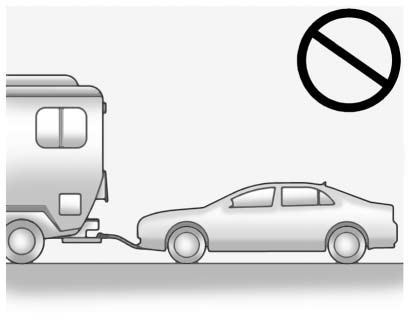
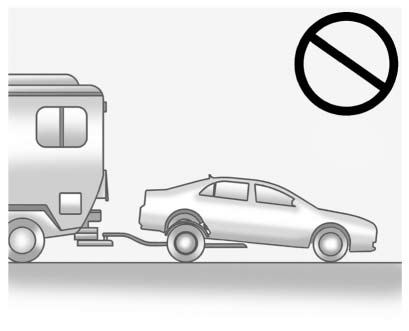
Notice: If the vehicle is towed with all four wheels on the ground, the drivetrain components could be damaged.
The repairs would not be covered by the vehicle warranty. Do not tow the vehicle with all four wheels on the ground.Vehicles with an automatic transmission should not be towed with all four wheels on the ground.
If the vehicle must be towed, a dolly should be used. See "Dolly Towing" that follows for more information.
Dinghy Towing (With Manual Transmission)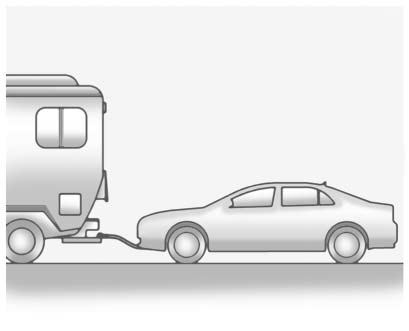
4. To prevent the battery from draining while the vehicle is being towed, remove fuse 22, 23, 24, and 25 from the instrument panel fuse block.
Remember to reinstall the fuses once the destination has been reached.
Notice: If 105 km/h is exceeded while towing the vehicle, it could be damaged.
Never exceed 105 km/h while towing the vehicle.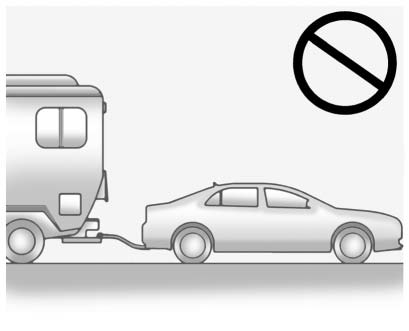
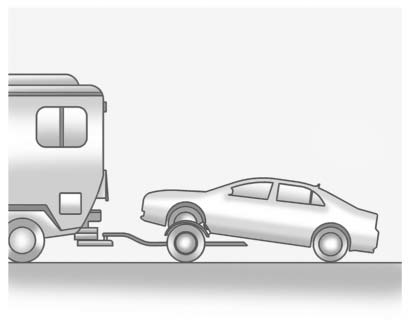
6. Secure the vehicle to the dolly.
7. Release the parking brake.
Test yourself
A quick Chevrolet Cruze quiz: every answer comes with an explanation and a link to the manual page.