Kia Sorento XM 2011-2023 Repair Manual
Description
In this manual: Kia Sorento XM 2011-2023 Repair Manual
26steps
~161min
5/5difficulty
1special tools
Done 0 of 26
System Operation: The Lane Departure Warning is normally activated at speeds above 60 km/h, but is suppressed when the vehicle unintentionally departs the lane and the driver is not operating the turn signal. System Operating Conditions
- User Conditions
- Warnings are generated when the vehicle unintentionally departs the lane.
- When the driver activates the turn signal to leave the lane, no warnings are generated.
- When the driver turns on the wipers, warnings are not generated according to the operating conditions (Wiper High).
- Vehicle Condition
- When the vehicle speed exceeds a specified speed, the LDW system is activated.
- When the turn signal is not used, the LDW system is activated.
- The LDWS is not activated when the wiper speed is above 45 rpm, even if the vehicle is equipped with a rain sensor.
- Lane Conditions
- If the lane markings are visible and recognizable, the LDWS may be in normal operating mode.
- Operation on all roads, including highways, country roads, and urban expressways, at speeds of 60 km/h and lane widths of 2.7 to 5.0 meters.
- Lane material: asphalt roads, concrete roads
- Lane color: white, yellow, blue,
- Temporary lane markings for road repair
- If the lane markings are visible and recognizable, the LDWS may be in normal operating mode regardless of season or time of day.
- Operates with partially visible lane markings, such as in inclement weather, including rain and wet roads, without time limitation.
- Operates on a curve with a radius of 250 meters.
- Lane departure warning initial speed: 60 km/h
- Warning initial speed: 60 km/h
- Warning stop speed: 55 km/h
- Standard lane recognition speed: 40 km/h
- Initial lane recognition speed: 40 km/h. Lane recognition starts 40 km/h lower than the initial warning speed to minimize recognition time after the vehicle begins moving into the lane.
- Lane recognition stop speed: 35 km/h. The lane recognition stop speed is set 35 km/h lower with hysteresis to prevent repeated on and off switching of lane recognition.
- The cluster cannot display lane recognition even if a lane is detected. Cluster lane recognition display operates at speeds above 60 km/h.
- Warning Method
- Warning Device: Cluster, Buzzer
- Cluster Display Symbols
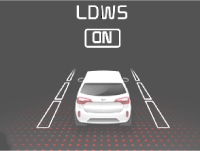

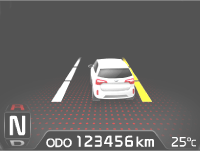
Lane not detected Lane detected and warning system activated. Right-side departure 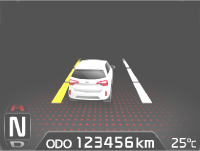
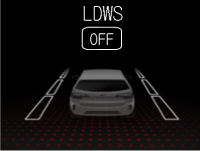
Left-side departure System OFF / System Malfunction
※ The displayed symbol and period depend on the vehicle model. LCD display and warning. (The flashing period can be adjusted.)
- Lane Width (L): If the lane width is 2.7 to 5.2 m (including North American standard), the lane departure warning is activated. Also, if the lane width is less than 2.8 m, the lane departure warning is deactivated.
- Painted Line Width (p): The painted line width is 16 cm (minimum 10 cm, maximum 55 cm). The LDWS can distinguish the left and right lane colors. If technically possible, the LDWS can distinguish lines such as solid and dashed lines.
- Vehicle Width (W): The vehicle width is determined by the vehicle type. The vehicle width is stored in internal memory and can be written using the built-in tool with the WriteDataByLocalIdentifier command or the project code of the vehicle.
- Lane Departure Warning Standard for Left Yellow Lane (Center Line)
A. Condition 1: The distance between the yellow line and the center lane line is 25 cm. → If the speed limit on the road is less than 80 km/h, the distance between the center lane and the construction line is 25 cm. B. Condition 2: The width of the yellow line is 16 cm, the same as the painted line width. - Lane Departure Warning from Center Lane: The lane departure warning from the center lane is activated when the vehicle tire reaches the lane line.
- Cancellation of Center Lane Departure Warning: When the vehicle departs from the lane toward the opposite lane by more than 40 % of the lane width, the warnings are deactivated.
- Left and Right Standard Lane (Blue, White, Right Yellow) Condition: The standard lane width is 16 cm.
A. First Lane Departure Warning: The lane departure warning signal is output when the vehicle steering reaches the lane edge, as specified. B. Lane Departure Warning Cancellation: When the vehicle leaves the lane toward the opposite lane by more than 40% of the lane width, the warnings are stopped. - Case of Recognition of One of Two Lines (Lanes): When only one of the two lanes is recognized, the system provides a lane departure warning using the one recognized line.
- Turn Signal Activated
A. Lane Departure After Turn Signal Operation: If the vehicle departs from the lane after the turn signal is activated, the lane departure warning in the direction of the turn signal is not activated. If the vehicle deviates from the line opposite the turn signal direction, the Lane Departure Warning is activated. The warning is not activated while the turn signal is on. If the turn signal is turned off when departing from the lane after the turn signal has been activated, the system may output a warning after 2 seconds, when it can recognize the lane. If the turn signal is turned off after leaving the lane while the turn signal is on, the warning may be generated after 2 seconds. B. Turn Signal Activated After Lane Departure: The warning is immediately deactivated when the driver operates the turn signal during lane departure. The warning may be activated again after 2 seconds when the turn signal is turned off. - Deactivation Condition When Wiper Signal Is Operated: When the driver presses the wiper switch, the LDWS does not output a lane departure warning.
- Tracking on Curves with Radius Less Than 250 m: When the curve radius obtained by lane recognition and yaw rate is less than 250 m, the LDWS does not output a lane departure warning. The LDWS can recognize when the road curvature is less than 250 m (R >= 250 m).
- Lane Unrecognizable
A. During warning, the lane marking becomes unrecognizable. - Lane Departure Warning, Case When One Lane Becomes Unrecognizable: The warning is activated using the previously measured lane width, tint, and curvature.
- Lane Departure Warning, Case When Both Lanes Become Unrecognizable: The lane departure warning is immediately terminated and the LDWS signals that the lanes are unrecognizable to inform the driver of its status.
B. Line Unrecognizable: While the vehicle is driving in the lane, if the line is not recognized, the LDWS may output a lane warning using the previous lane width measured from the previous image processing. The LDWS normally correlates line colors with the previous recognition result, but if there are any changes in system operation and power on/off, when the system cannot determine the lane color, the system may perform the lane departure warning algorithm, see lane color as white. When the system line remains in the unrecognized state, the system status changes to the line unrecognized state. C. Both Lanes Not Recognized: The LDWS signals the status of unrecognized lanes. If there is no additional indicator here, the system does not indicate the recognition status. - Necessity: After installation on the vehicle, the LDWS must be calibrated to achieve accurate recognition of lane markings. In particular, the system must be calibrated to correct any difference between the ideal road coordinates and the actual road coordinates.
A. When replacing the Lane Departure Warning System unit. B. When repairing the roof panel or chassis as a result of a vehicle accident. C. When repairing the LDWS unit mounting bracket. D. The system must be calibrated to correct any vehicle collision. - Schedule: Calibrate after replacing the LDWS and as necessary.
A. Condition: There must be an error between the ideal road coordinates and the actual road coordinates after installation of the LDWS unit. B. Purpose: Calibrate the error in the LDWS unit to improve coordinate accuracy. C. Procedure: Perform the calibration procedure using GDS and the calibration target jig. D. Environment: Park the vehicle on a level surface and align the center of the target with the degree of dispersion downward. E. Calibration Process: Refer to "Calibration Procedures" below. 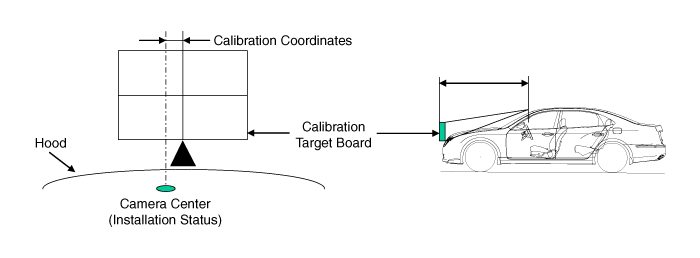
- Install the calibration tool (09890-3N100) on the housing.
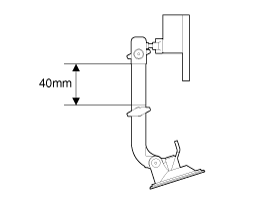
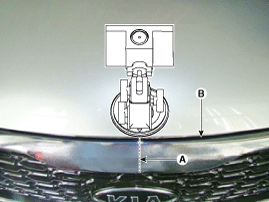
- Install the target jig on the end of the housing (B) after aligning the center (A) of the target and the emblem.
Tolerance: 0.19 in (5 mm)
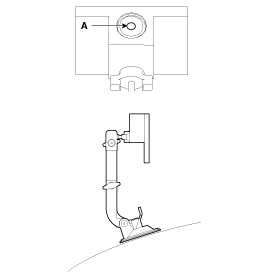
- Adjust the upper part of the target so that the air bubble (A) is in the center of the circle while bending the target board. (For vertical target adjustment)
- Connect the GDS to the vehicle to calibrate the LDWS unit.
- Select the model and the LDWS system.
- Select calibration.
- Perform the calibration automatically.
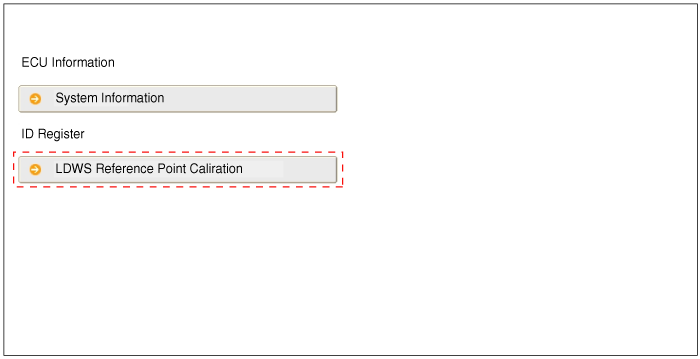
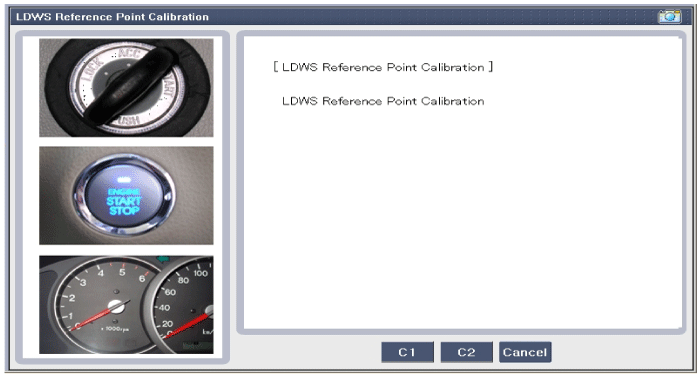
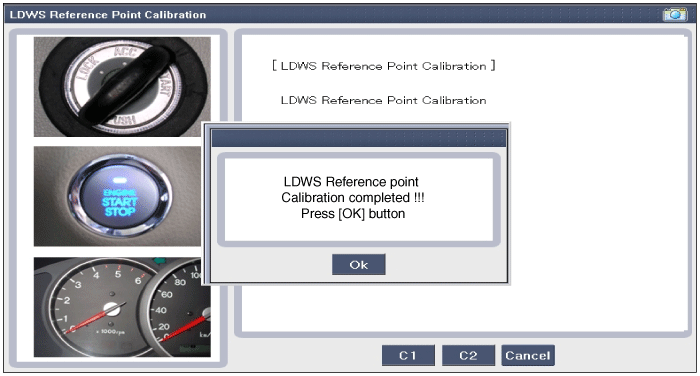
- Select "LDWS Reference Point Calibration" and complete the calibration procedure.
X coordinate tolerance ranges: 123 ~ 143, D: 179 ~ 199
Test yourself
A quick Kia Sorento Owner's Manual quiz: every answer comes with an explanation and a link to the manual page.
Was this page helpful?