Specifications & Customer Information
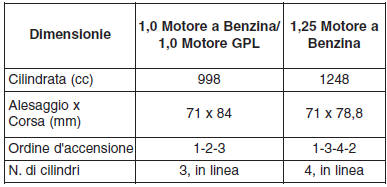
ENGINE
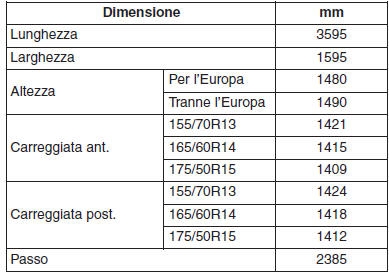
DIMENSIONS
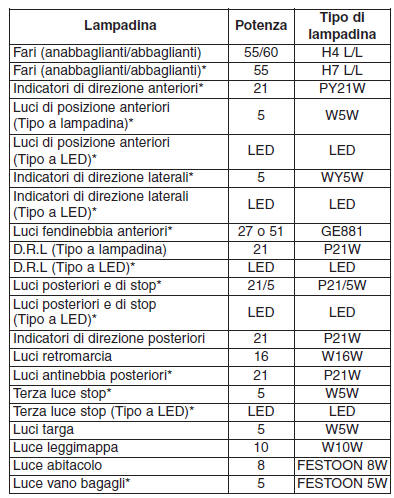
BULB WATTAGE
WHEELS AND TIRES
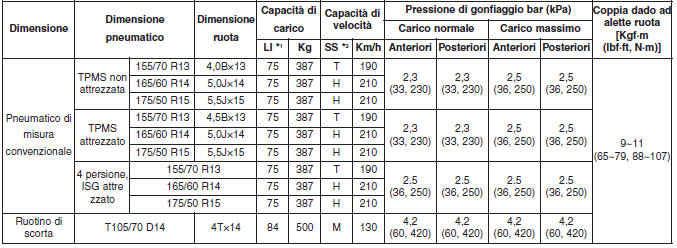
*1 : Load index
*2 : Speed symbol
NOTE
- When replacing tires, we recommend using tires identical to those originally fitted to the vehicle.
Otherwise, handling will be affected.
Therefore, check the tire pressure and add air if necessary.
Additional tire pressure required per km above sea level: 10.5 kPa (1.5 psi)/kmWEIGHTS/CAPACITIES

RECOMMENDED LUBRICANTS AND CAPACITIES
To help achieve the correct performance and durability of the engine and powertrain, use only lubricants of the appropriate quality. Using lubricants of the correct quality also improves engine efficiency, resulting in better fuel economy.
These lubricants and fluids are recommended for use in this vehicle.
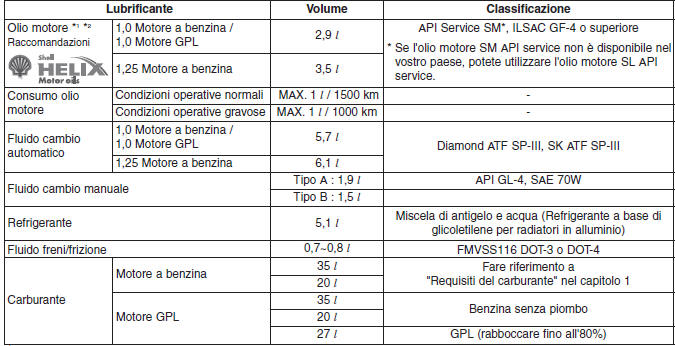
*1 See Recommended SAE viscosity number on the following page.
*2 Energy-conserving engine oils are now available. In addition to other benefits, they help reduce fuel consumption by lowering the amount of fuel needed to overcome engine friction. These benefits are often difficult to quantify in daily driving, but over a year they can provide significant savings in money and energy.
Recommended SAE viscosity number
NOTE Before checking or draining the lubricant, clean the area around the filler and drain plugs or the dipstick. This is especially important in dusty or sandy areas and when driving on unpaved roads. Cleaning around the plugs and dipstick prevents dirt and sand from contaminating and possibly damaging the engine and other components.Engine oil viscosity (thickness) affects fuel economy and cold-weather operation (starting and oil flow). Lower-viscosity engine oils can offer better fuel economy and cold-temperature performance, while higher-viscosity oils provide effective lubrication in hotter conditions.
Using oils with a viscosity different from the recommended one may cause engine damage.
When changing the oil, consider the temperature range in which the vehicle will be used before the next oil change.
Select the engine oil viscosity recommended in the table.
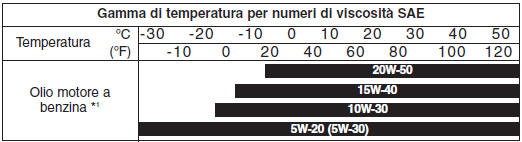
*1 For maximum fuel economy, the recommended engine oil is SAE 5W-20*2 (API SM / ILSAC GF-4). However, if this engine oil is not available in your country, select the appropriate engine oil based on the engine oil viscosity table.
VEHICLE IDENTIFICATION NUMBER (VIN)
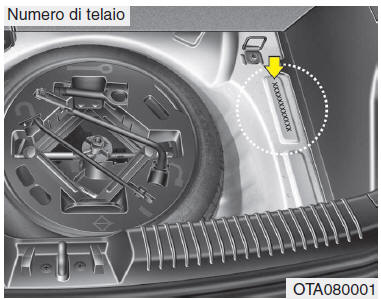
The vehicle identification number (VIN) is the number used for vehicle registration and for all legal matters relating to ownership, etc.
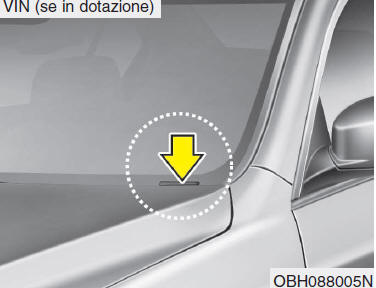
The VIN is also shown on a plate attached to the top of the instrument panel. The number on the plate can be easily read from outside through the windshield.
VEHICLE CERTIFICATION LABEL
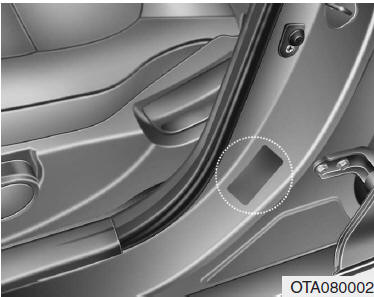
The vehicle certification label attached to the driver's side (or passenger's side) center pillar shows the vehicle identification number (VIN).
TIRE SPECIFICATION/TIRE PRESSURE LABEL
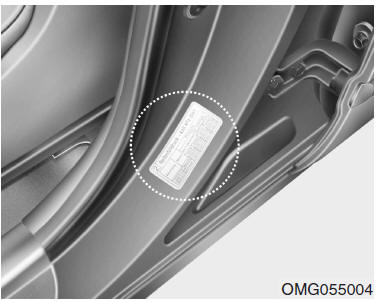
The tires fitted to this new vehicle are selected to provide optimum performance for normal driving.
The tire label located on the driver's side center pillar trim shows the recommended inflation pressures for the vehicle's tires.
ENGINE NUMBER
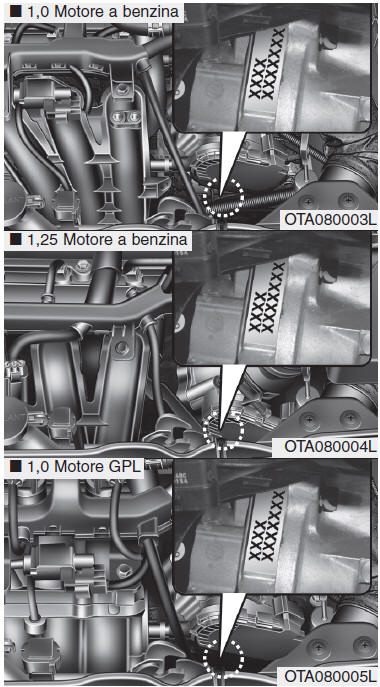
The engine number is stamped on the engine block as shown in the illustration.
AIR CONDITIONING COMPRESSOR LABEL
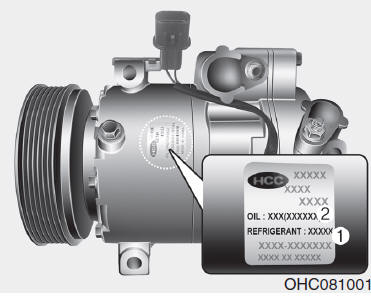
The label shows the type of compressor installed, the model, the supplier code, the production number, the refrigerant (1) and the refrigerant oil (2).
DECLARATION OF CONFORMITY
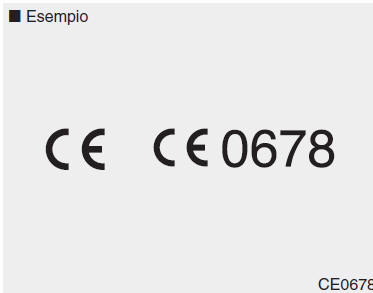
The radio frequency components of the vehicle comply with the requirements and provisions of Directive 1995/5/EC.
Further information, including the manufacturer's declaration of conformity, is available on the Toyota website;
Test yourself
A quick Kia Picanto JA quiz: every answer comes with an explanation and a link to the manual page.