Fuel for liquefied petroleum gas operation
Liquefied petroleum gas is known by the abbreviation LPG (liquefied petroleum gas). LPG is also called "Autogas".
LPG consists mainly of propane and butane. The octane rating is between 105 and 115, depending on the proportion of butane.
LPG is stored in liquid form under a pressure of approximately 5 - 10 bar.
The boiling point depends on the pressure and the mixture ratio. At ambient temperature, it ranges from -42 °C (pure propane) to -0.5 °C (pure butane).
Notice
The system operates at an ambient temperature between approximately -8 °C and 100 °C.
Fuel selection button
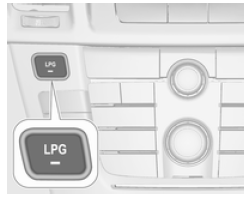
Press the LPG button to switch between gasoline and LPG operating modes as soon as the required conditions (coolant temperature and minimum engine speed) have been reached. These requirements are generally met after approximately 60 seconds (depending on the outside temperature) and the first firm depression of the accelerator pedal.
The LED indicates the current operating mode.
 off = Gasoline
operation
 on = LPG
operation
 flashing = No switching
possible, one fuel type is empty.
As soon as the LPG tank is empty, gasoline mode is selected until the ignition is switched off.
Empty the petrol tank every 6 months until the indicator
lights up, then refuel. This helps maintain fuel quality and proper system operation for gasoline use.
Refuel the vehicle regularly to prevent corrosion in the tank.
Malfunctions and remedies
If LPG operation is not possible, check the following points:
- Is there enough liquefied petroleum gas?
- Is there enough petrol to start the engine?
In extreme temperatures combined with the gas composition, it may take a little longer for the system to switch from gasoline to LPG operation.
In extreme situations, the system may also switch back to gasoline operation if the minimum requirements are not met.
For any other malfunction, contact a workshop.
Notice
Repairs and adjustments may only be carried out by qualified specialists to ensure the safety of the LPG system and to maintain the warranty.
Liquefied petroleum gas has a distinctive odour (odorant added) so that any leak can be easily detected.
Caution
If a gas smell is detected in or near the vehicle, switch to gasoline operation immediately. Do not smoke. No naked flames or ignition sources.
If possible, close the manual shut-off valve on the multivalve. The multivalve is located on the LPG tank in the luggage compartment, under the rear floor cover.
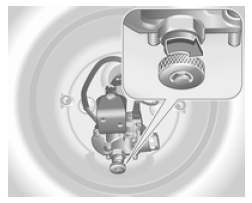
Turn the knurled knob clockwise.
If no other gas smell can be detected when the manual shut-off valve is closed, the vehicle may be operated in gasoline mode. If the gas smell persists, do not start the engine. Have a workshop remedy the cause of the problem.
When using underground car parks, follow the instructions of the operator and local regulations.
Note
In the event of an accident, switch off the ignition and extinguish any fires. Close the manual shut-off valve on the multivalve.
Test yourself
A quick Opel Insignia quiz: every answer comes with an explanation and a link to the manual page.