Electromagnetic compatibility
The vehicle has been tested and certified in compliance with electromagnetic compatibility standards (72/245/EEC, UN ECE Regulation 10, or other applicable local requirements). It is the driver's responsibility to ensure that installed equipment complies with the locally applicable legal standards. Have equipment installed by an authorised Dealer.
Radio frequency transmitting devices (e.g. mobile phones, amateur radio transmitters, etc.) may be installed in the vehicle only if they comply with the parameters shown in the table below. No special provisions or conditions apply to installation and use.
Do not install radio transceivers, microphones, speakers or other objects of any kind in the airbag deployment area.Do not secure antenna cables to the vehicle's original wiring, fuel lines or brake lines.
Keep the antenna and power cables at least 10 centimetres (4 inches) away from any electronic modules and airbags.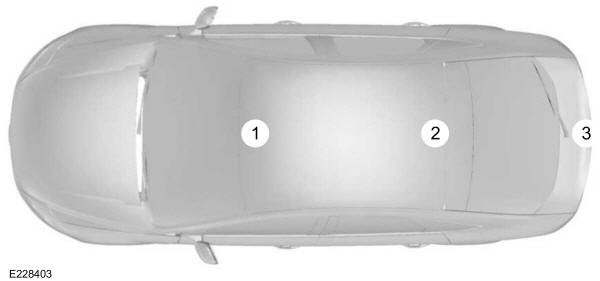
| Frequency band MHz | Maximum power Watts (RMS peak) | Antenna positions |
|---|---|---|
| 1 - 30 | 50 W | 3 |
| 30 - 54 | 50 W | 1. 2 |
| 68 - 87,5 | 50 W | 1. 2 |
| 142 - 176 | 50 W | 1. 2 |
| 380 - 512 | 50 W | 1. 2 |
| 806 - 940 | 10 W | 1. 2 |
| 1200 - 1400 | 10 W | 1. 2 |
| 1710 - 1885 | 10 W | 1. 2 |
| 1885 - 2025 | 10 W | 1. 2 |
Note: once radio frequency transmitters have been installed, check for any interference caused by or affecting the electrical equipment on the vehicle, both in standby mode and in transmission mode.
Check all electrical equipment:- With the ignition on.
- With the engine running.
- During a road test at various speeds.
Test yourself
A quick Ford Ka quiz: every answer comes with an explanation and a link to the manual page.