Body Electrical System
Rain Sensor Description and Operation
In this manual: Body Electrical System
8steps
~48min
2/5difficulty
Done 0 of 8
Description
Integrated Rain Sensor: The integrated rain sensor (A) controls three systems: the front wiper, automatic lighting, and the automatic air conditioner.- Wiper Control System: When the "AUTO" switch signal is received from the multifunction switch on the right, the integrated rain sensor detects the amount of rainfall. The sensor is installed inside the upper part of the front windshield. This system automatically controls the operating duration and speed of the wiper based on the measured amount of rainfall, even if the driver does not operate the wiper switch.
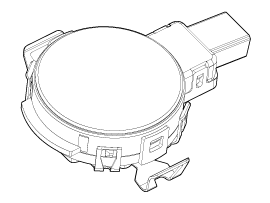
Functions and Operating Principle
Basic Principle- Rain Amount Detection: Light (beam) emitted by the light-emitting diodes (LEDs) is totally reflected on the outer surface of the windshield and returns to the photodiodes. When water is present on the outer surface of the windshield, the light is optically separated and partially reflected, and the remaining brightness is measured by the photodiodes. Water remaining on the windshield prevents total reflection of the light. The loss of brightness caused by this indicates how wet the glass surface is.
- Dust on the measuring surface and other surfaces in the light path (surface of the LEDs and photodiodes, optical fiber, bracket, and glass surface near the windshield contact area) weakens the received light.
- Movement of the windshield and bracket
- Movement of the bracket due to vibration
- Damaged wiper blade
|

- Rain Sensor Operating Condition
Operation Mode Operation Direct Mode This is the normal operating condition of the built-in rain sensor when the wiper switch is in the "AUTO" position and the sensor detects a dry windshield. Based on this condition, the built-in rain sensor determines the wiper operating mode according to the amount and duration of precipitation. Intermittent Mode The built-in rain sensor activates intermittent mode when wiper operation is performed consecutively more than two times with an interval of 0.5 to 5 seconds. Low speed Wipers operate continuously at low speed High speed Wipers operate continuously at high speed - When ice or foreign objects are present in the detection area, the built-in rain sensor cannot correctly recognize the operating conditions.
- Rain sensor
Special Condition Operation Based on Special Condition Detection Hesitation When the built-in rain sensor detects a high level of water (splash) in Direct or Intermittent mode, the system switches from park mode to High speed. Then wiping is performed once in High speed mode and once more in Low speed mode. If the precipitation condition does not change after wiping, it returns to the original state (Direct or Intermittent). Smearing Smearing is a thin oil film that dries quickly and occurs when a small amount of precipitation is smeared by a dirty or worn wiper blade. The operating signal must not be output when smearing occurs in Direct or Intermittent mode. Mud If no change is detected after wiping, the built-in rain sensor determines that the windshield is contaminated. In this condition, the operating signal must not be output. If the windshield becomes clean (for example, by washer fluid), the built-in rain sensor returns to the normal condition. Washer Fluid The built-in rain sensor does not respond to washer fluid in washing mode. In other words, the wiping speed does not change even when washer fluid is sprayed (automatic operation of the washer pump does not affect the operation of the built-in rain sensor).
Test yourself
A quick Hyundai Elantra AD quiz: every answer comes with an explanation and a link to the manual page.
Was this page helpful?