Child seats for different weight groups
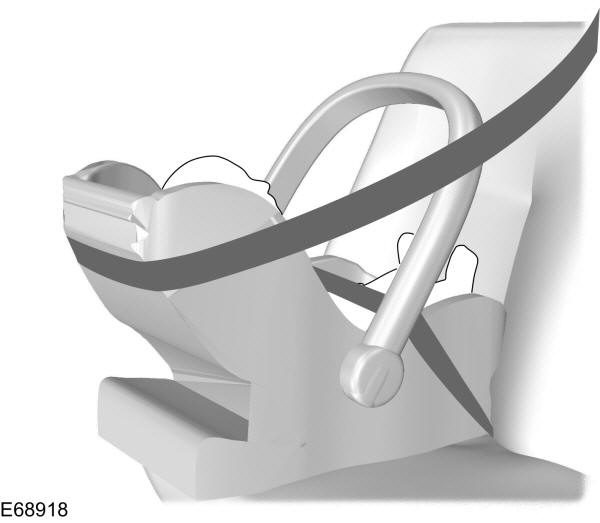
Child seat
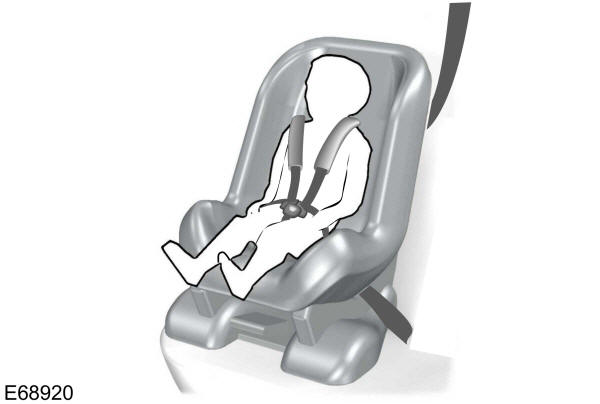
Booster seats
DANGERDo not install a booster seat or booster cushion with the lap belt only.
Do not install a booster seat or booster cushion using a slack or twisted seat belt.Do not place the shoulder section of the seat belt under the arm or behind the back, and do not allow the child to do so. Failure to follow this instruction may reduce the effectiveness of the belt and increase the risk of serious or fatal injury in an accident.
Do not use cushions, books or towels to raise the child. Failure to follow this instruction may result in serious or fatal injury.Make sure the child is seated upright.
When using a child restraint system installed on the rear seat, make sure it sits firmly against the vehicle seat. It must not touch the head restraint. If necessary, remove the head restraint.After removing the child seat, refit the head restraint. See Head restraints.
Note: When using a child seat on a rear seat, adjust the front seat so that it does not contact the child's feet or legs or the child seat itself.
Booster seat (Group 2)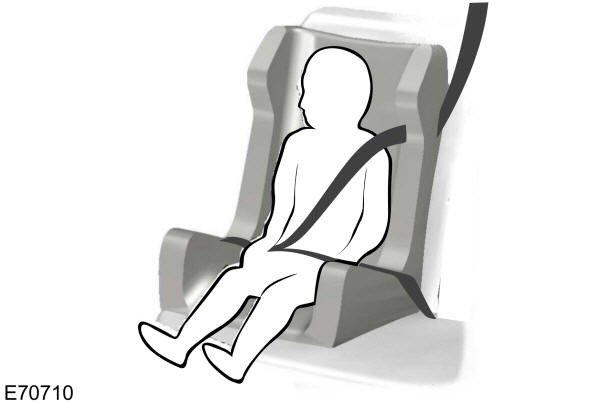
It is recommended to use a booster seat with a backrest rather than a simple booster cushion. The raised seating position allows the diagonal part of the adult seat belt to sit across the centre of the child's shoulder and the lap part to be pulled snugly across their hips.
Booster cushion (Group 3)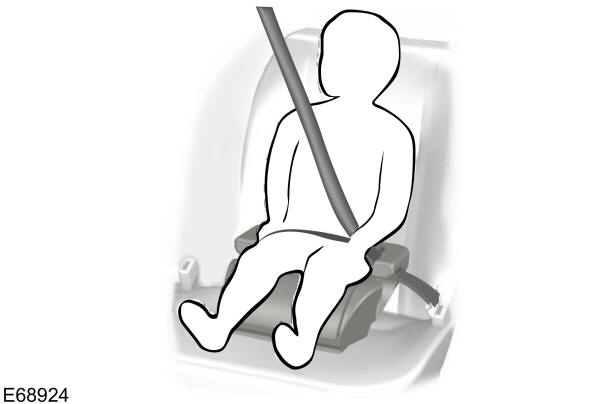
Test yourself
A quick Ford Ka quiz: every answer comes with an explanation and a link to the manual page.