Heating, Ventilation and Air Conditioning
General Safety Information and Caution
In this manual: Heating, Ventilation and Air Conditioning
16steps
~96min
4/5difficulty
Done 0 of 16
PRECAUTIONS
HANDLING REFRIGERANT- Liquid refrigerant R-134a is highly volatile. Contact with skin may cause frostbite. Wear gloves when handling refrigerant.
- Standard practice is to wear eye protection and hand protection gloves. If refrigerant splashes into the eyes, immediately flush them with clean water.
- The R-134a container is under pressure. Never leave it in heat, and make sure the storage temperature is below 52 °C.
- An electronic leak detector can be used to check for refrigerant leaks in the system. Remember that R-134a releases phosgene, a highly toxic gas, when it contacts a flame.
- Use only lubricant recommended for R-134a systems. Using different lubricants may cause system malfunctions. Check carefully.
- PAG lubricant absorbs moisture from the atmosphere quickly. The following precautions must be observed:
- When removing refrigerant components from the vehicle, immediately plug them to prevent moisture ingress.
- When installing these components in the vehicle, remove the plug immediately before connecting the components.
- Connect all refrigerant pipes and hoses without delay to prevent moisture from entering the air conditioning system.
- Use only recommended lubricant stored in a closed, airtight container.
- In case of accidental entry of drops into the system, ventilate the area and wait before continuing work.
- Never open or loosen a connection until the system has been discharged.
- Immediately and tightly close open connections of components with a cap or plug to prevent moisture or dust from entering.
- Do not remove the sealed caps from a spare component until the component is ready for installation.
- Before connecting an open joint, always install a new watertight seal. Apply a layer of refrigerant lubricant to the fitting and the joint before connecting.
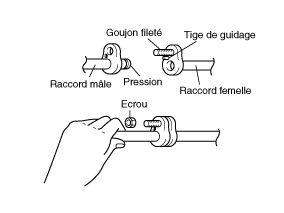
- If it is necessary to open the refrigeration system, prepare every component needed for service so that the system is not left open longer than necessary.
- Plug or seal all pipes and fittings as soon as they are opened to prevent dust or moisture from entering.
- It is advisable to plug or hermetically seal all pipes and fittings when they are not in use.
- Never attempt to re-bend pipes to make them fit. Use the correct pipeline for the installation you are servicing.
- All tools, including the lubricant supply system, manifold gauge set and charging hoses, must be clean and dry.
Test yourself
A quick Hyundai Tucson quiz: every answer comes with an explanation and a link to the manual page.
Was this page helpful?