Malfunction
Never use the Smart Parking Assist System under the following conditions.
- Curved parking space
- Sloped roads
- Vehicle with longer or wider cargo compared to the vehicle
- Diagonal parking space
- Parking space with debris, grass, or barriers
- Heavy snow or rain
- Pole next to the parking line
- Bumpy roads
- Vehicle equipped with snow chains or a spare tire
- Tire pressure lower or higher than the specified standard tire pressure
- Trailer connected to the vehicle
- Slippery or uneven road
- Large vehicles such as buses or trucks parked nearby
- Sensor covered with foreign matter, such as snow or water
- Moisture has frozen on the sensor.
- Motorcycle or bicycle parked nearby
- Trash bin or obstacle nearby
- Strong wind
- Wheel replaced with a non-specified size
- Wheel alignment problem
- Near a garden or bush
- Accessory installed in the sensor detection area (for example, a license plate holder)
- Vehicle leaning heavily to one side
- Strong sunlight or very cold weather
- Ultrasonic interference from other vehicles, for example horns of other vehicles, motorcycle engine noise, air brake noise of heavy trucks, and a parking assist system of another vehicle operating.
- Near a round pole or narrow pole, or a pole surrounded by objects such as a fire extinguisher, etc.
- Sensor misaligned due to an impact to the bumper
WARNING
Do not use the Smart Parking Assist System under the following conditions. Unexpected results may occur and cause a serious accident.
1. Parking on slopes
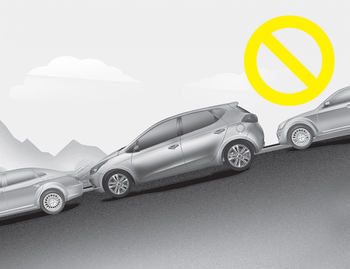
The driver must press the accelerator pedal and the brake pedal when parking on slopes. If the driver is not familiar with the use of the accelerator and brake pedals, a vehicle accident may occur.
2. Parking in snow
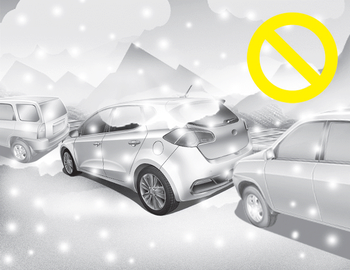
Snow may interfere with sensor operation, or the system may be cancelled if the road is slippery during parking. In addition, if the driver is not familiar with the use of the accelerator and brake pedals, a vehicle accident may occur.
3. Parking in a narrow space
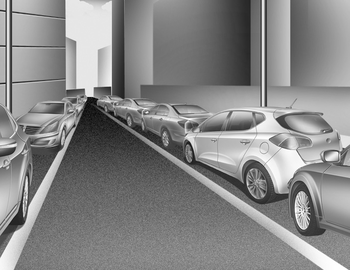
The system may not search for parking spaces if the space is too narrow. Even if it operates, always be careful.
4. Diagonal parking space
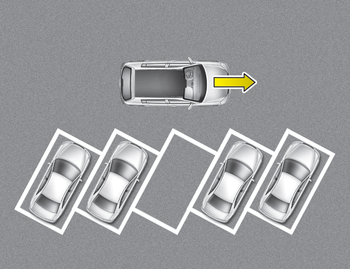
The system is intended for parallel parking only. Diagonal parking is not available. Even if the vehicle can enter the space, do not use the Smart Parking Assist System. The system will attempt parallel parking.
5. Parking on uneven roads
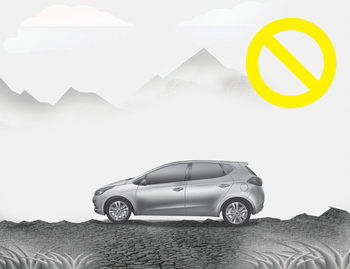
When parking on an uneven road, the driver must properly press the pedals (clutch, accelerator, or brake). If not, the system may be cancelled, the vehicle may slip, or an accident may occur.
6. Parking behind a truck
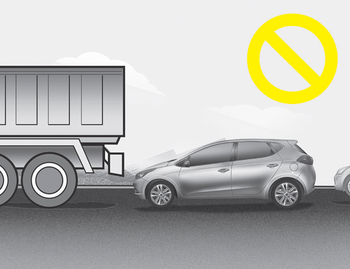
An accident may occur when parking behind a vehicle that is higher than yours, for example, a bus, truck, etc.
7. Obstacles in the parking space
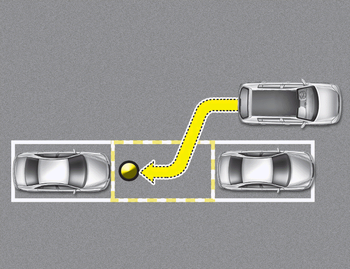
The system may search for a parking space even if an obstacle is in the parking space. An accident may occur if you continue parking the vehicle with the system.
Do not rely only on the Smart Parking Assist System.
8. Leaving the parking space near a wall
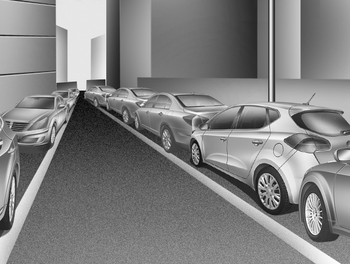
When exiting a parking space that is narrow and close to a wall, the system may not operate properly. When leaving a parking space similar to the one shown in the illustration above, the driver must watch for obstacles when exiting.
Test yourself
A quick Kia Cee'd quiz: every answer comes with an explanation and a link to the manual page.