Technical Data. Technical data for the air conditioning system. Fuel consumption and CO2 emissions. Tires - approved tire pressure
The technical data for the air conditioning system, fuel consumption and CO2 emissions of the Volvo S80 (2nd generation, 2013–2016) helps you optimize operation. This section describes refrigerant, compressor oil and tire pressure. It also explains how driving style, load and weather affect consumption. Recommendations for safe use support operating efficiency.
Technical data for the air conditioning system
The following tables list the specified grades and fill quantities of the operating and lubricating fluids used in the air conditioning system.
Air Conditioning Label
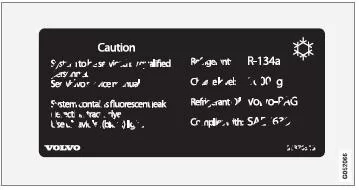
The label is located on the inside of the hood.
Refrigerant
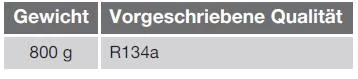
The air conditioning system contains pressurized R134a refrigerant. Maintenance and repairs on the system may only be performed by an authorized workshop.
Compressor oil
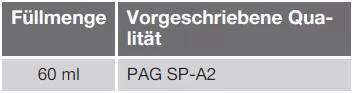
Related information
- Air conditioning - Troubleshooting and repair
- Type designations
Fuel consumption and CO2 emissions
Fuel consumption for a vehicle is measured in liters per 100 km, and CO2 emissions in grams per kilometer.
Explanation
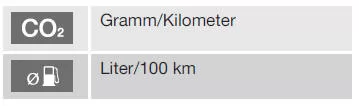

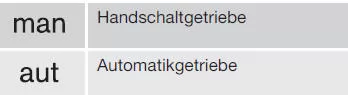
If consumption and emissions data are missing, they are listed in an attached supplement.
NOTE Not all engines are available in all markets.


A Does not apply to the low-emission variant.
B Applies only to the low-emission variant.
The fuel consumption and emission values in the table above are based on special EU driving cycles2 and apply to vehicles at curb weight in basic equipment without additional equipment. Depending on equipment, the vehicle weight may increase.
As a result, and depending on how heavily the vehicle is loaded, fuel consumption and carbon dioxide emissions increase.
Several factors can cause fuel consumption to be higher than stated in the table. These include, for example:
- The driving style of the driver.
- If the customer has selected larger wheels than those fitted as standard on the basic version of the vehicle model, rolling resistance increases.
- High speed results in higher aerodynamic drag.
- Fuel quality, road and traffic conditions, weather and the condition of the vehicle.
Even a combination of the examples listed here can lead to significantly higher consumption. For detailed information, refer to the regulations cited above2.
Large deviations in fuel consumption can occur when compared with the EU driving cycles2 used for vehicle type approval, on which the consumption values in the table are based.
CAUTIONExtreme weather conditions, towing a trailer or driving at high altitude, combined with fuel quality, are factors that can affect vehicle performance.
2 The stated fuel consumption figures are based on two standardized driving cycles in a laboratory environment ("EU driving cycles") in accordance with EU Regulation No. 692/2008, 715/2007 (Euro 5 / Euro 6) and UN ECE Regulation No. 101. These regulations include the urban driving cycle and the extra
urban driving cycle. - Urban driving cycle - measurement starts with a cold engine start. The drive is simulated. - Extra
urban driving cycle - the vehicle accelerates and decelerates at speeds between 0 and 120 km/h. The drive is simulated. - Vehicles with manual transmissions start in 2nd gear (applies only to vehicles with tire sizes up to 18 inches). The value for the combined driving cycle stated in the table is, by law, a combination of urban and extra-urban driving. CO2 emissions - to calculate carbon dioxide emissions during the two driving cycles, the exhaust gases are collected.
The CO2 emission value is determined in the subsequent analysis.
Related information
- Economical driving
- Weights
Tires - approved tire pressure
The approved tire pressure for the respective engine option can be found in the table.
CAUTIONNot all engines, tires or combinations are available without restriction in all markets.
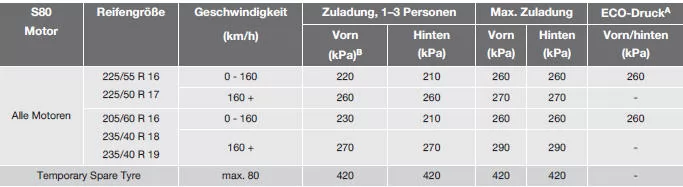
A Economical driving.
B In certain countries, the unit bar is used in addition to the SI unit pascal: 1 bar = 100 kPa.
WARNING19-inch tyres must never be fitted to vehicles that are not equipped with the R-Design or Sport chassis option. Using 19-inch tyres on vehicles with a standard chassis creates a safety risk, risk of damage to the vehicle and a deterioration in the vehicle's handling.
Related information
- Tires - Sizes
- Tyres - Air pressure
- Type designations
The certifications and type approvals of the Volvo S80 (2nd gen) confirm compliance with international regulations. They include approvals for radio equipment such as TPMS and radar systems. The vehicle documentation contains precise details of the relevant approval numbers and countries.
These certifications stand for Volvo's high standards of quality and safety. They show that the S80 meets the strict requirements in the respective markets.
Volvo combines technology and responsibility for safe, compliant operation worldwide.
Test yourself
A quick Volvo S80 quiz: every answer comes with an explanation and a link to the manual page.