All-Wheel Drive (AWD) System
Electro-hydraulic direct clutch
In this manual: All-Wheel Drive (AWD) System
14steps
~84min
3/5difficulty
Done 0 of 14
Components and Component Location
Component Location
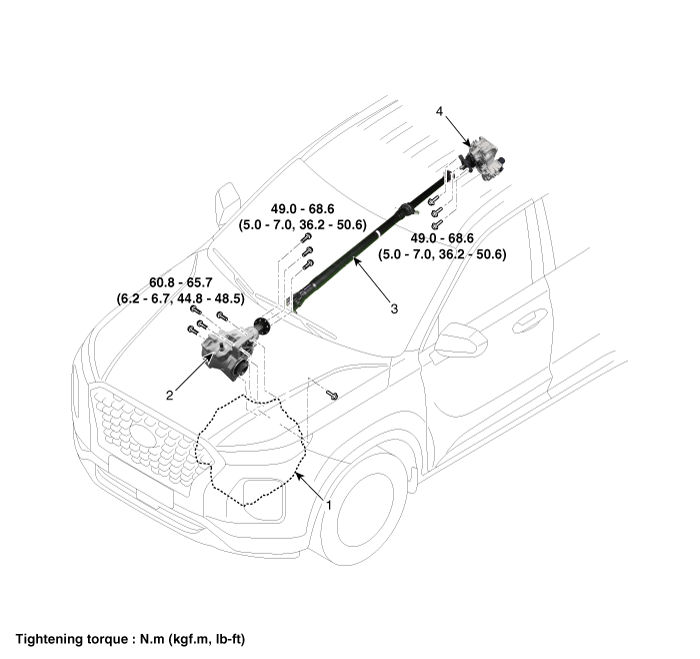
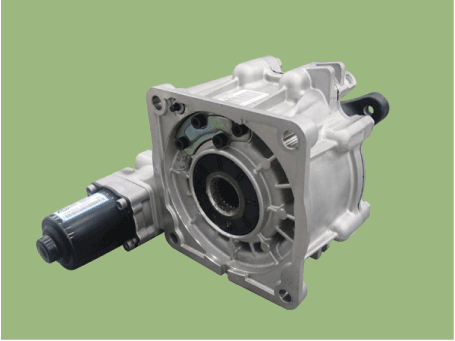
| 1. Transaxle Assembly 2. Transfer Assembly |
3. Propeller Shaft Assembly 4. Coupling Assembly |
Components
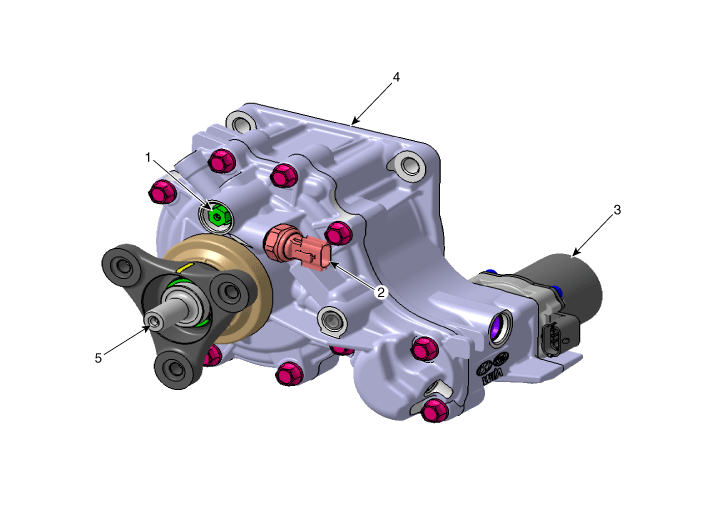
| 1. Relief valve 2. Pressure sensor 3. Oil hydraulic motor |
4. Clutch assembly 5. Input shaft |
Description and Operation
Description
The AWD ECU processes signals from various sensors and determines the current road and driving conditions. The ECU then uses this information to precisely control the multi-plate AWD clutch and smoothly adjust the amount of torque transmitted to the rear wheels. AWD Mode- Under conditions requiring high driving power, such as starting, climbing hills, or low-speed driving, the front and rear driving force distribution is 50:50. Under conditions not requiring such power, such as constant speed or deceleration, the vehicle operates automatically in 2WD (except SAND/MUD/SPORT modes).
- On slippery roads, such as snow or icy roads, smooth start-off is achieved through automatic distribution of driving force.
- Depending on the selected Terrain Mode, control focuses on driving stability in SNOW and on uneven roads. Escape performance in SAND and MUD is ensured by high driving force and an optimized driving force distribution rate.
- Driving conditions
- Cruising - Power is transmitted mainly to the front wheels. Driving force distribution (front wheels 100%, rear wheels 0%)
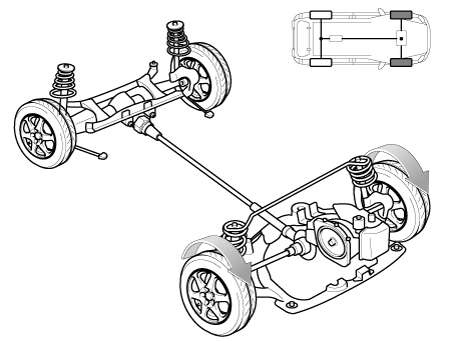
- Cornering - Adjusts the amount of power to the rear wheels according to the turning radius and cornering speed. Driving force distribution (front wheels 80%, rear wheels 20% or front wheels 50%, rear wheels 50%)

- Starting and rapid acceleration - Maximum driving power is transmitted to the front and rear wheels during start-off and rapid acceleration. Driving force distribution (front wheels 50%, rear wheels 50% or front wheels 60%, rear wheels 40%)

- Cruising - Power is transmitted mainly to the front wheels. Driving force distribution (front wheels 100%, rear wheels 0%)
- Terrain Mode
- Driving on snowy roads (slippery and even road surface) - Safety-oriented, low-power driving. Driving force distribution (front wheels 50%, rear wheels 50%)

- Driving on sandy roads (road surface with high rolling resistance) - High driving power. Driving force distribution (front wheels 50%, rear wheels 50%)

- Driving on muddy roads (slippery and uneven road surface) - Escape performance and operational stability. Driving force distribution (front wheels 50%, rear wheels 50%)

- Driving on snowy roads (slippery and even road surface) - Safety-oriented, low-power driving. Driving force distribution (front wheels 50%, rear wheels 50%)
Operation
Electronic clutch

- Power flows in the following order: Transmission -> Transfer case -> Propeller shaft
- The AWD ECU calculates the torque required at the rear wheels and sends the corresponding control current to the actuator (electric motor and hydraulic pump).
- The piston operates by oil pressure, and friction is generated. The clutch is then engaged.
- Torque is transmitted to the differential through the engaged clutch, and driving power is generated at the rear wheels.
Repair Procedures
Inspection
|

Removal
|

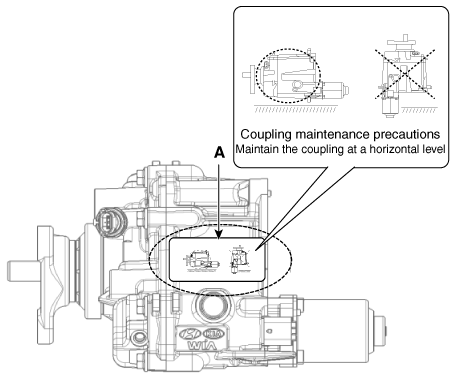
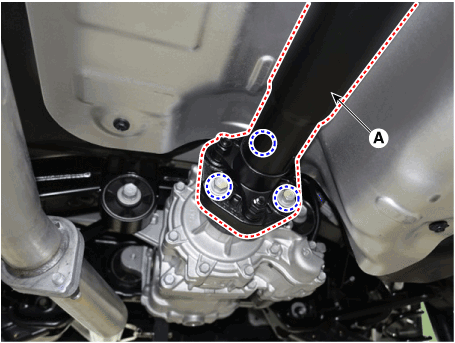
- Loosen the rear propeller shaft assembly mounting bolts, then remove the rear propeller shaft assembly (A).
Tightening Torque: 49.0–69 N·m
- Using a flat-blade tool, separate the propeller shaft from the 4WD coupling.
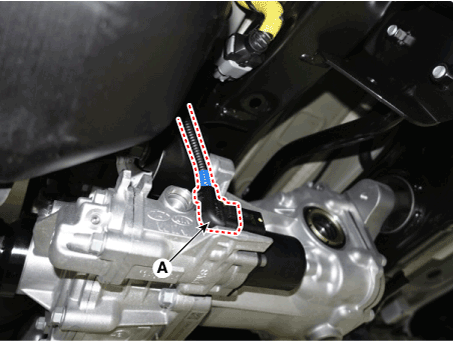
- Disconnect the oil hydraulic motor connector (A).
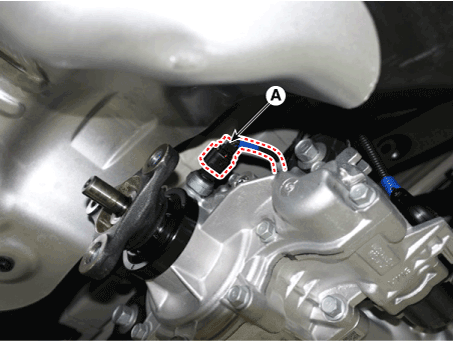
- Disconnect the pressure sensor connector (A).
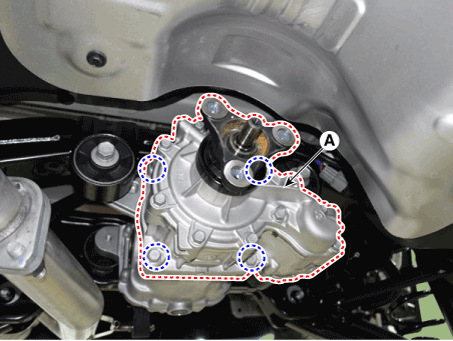
- Loosen the coupling assembly mounting bolts.
Tightening torque: 58.9–65 N·m
- Using a flat-blade tool, separate the all-wheel drive coupling assembly (A) from the rear differential assembly.
Installation
- To install, reverse the removal procedure.

- Apply high-pressure molybdenum grease to the splines (A).
- When installing the coupling, be careful not to damage the oil seal (B).
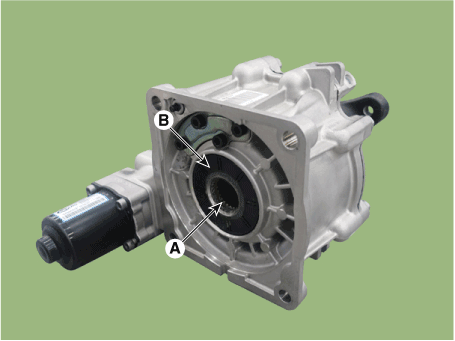
- After replacing the coupling, reset the AWD ECM clutch learning values using a scan tool. (Refer to All-Wheel Drive Control System - Repair Procedures)
Test yourself
A quick Hyundai Palisade quiz: every answer comes with an explanation and a link to the manual page.
Was this page helpful?