Suspension System
TPMS Sensor
In this manual: Suspension System
14steps
~84min
3/5difficulty
Done 0 of 14
Description and Operation
Description
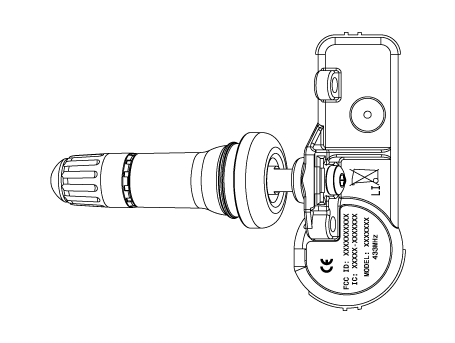
- General Description: The WU is a sensor mounted inside the tire that reports pressure and temperature. The WU is mounted inside the wheel and fixed to the valve. The angle between the valve and the WU body is variable, which allows adaptation to different wheel types. The wheel unit consists of a printed circuit board supporting the electronic equipment, enclosed in a housing filled with polyurethane. It is powered by a battery and includes all systems for parameter measurement (pressure, temperature and centrifugal acceleration, and optionally rotation direction), radio frequency transmission and low frequency detection. To achieve the specified battery life, the WU supports various measurement and transmission timings depending on the WU operating mode. For radio frequency transmission, the WU uses an internal antenna.
- First Block Mode: When the vehicle starts moving, the sensor enters first block mode. The typical radio emission period is 16 seconds, 40 times for auto learn and automatic location function.
- Driving Mode: After 19 minutes of parking, and then finishing, the first block mode and WU mode enter driving mode. The typical radio emission period is 64 seconds when vehicle speed is above 4 g.
- Parking Mode: When vehicle speed is below 3 g, the system enters parking mode. The typical radio transmission period is 13 hours.
Repair Procedures
Replacement
- Remove the valve core and deflate the tire. Remove the tire.
- Push the tire as shown in the illustration below using the tire changer.
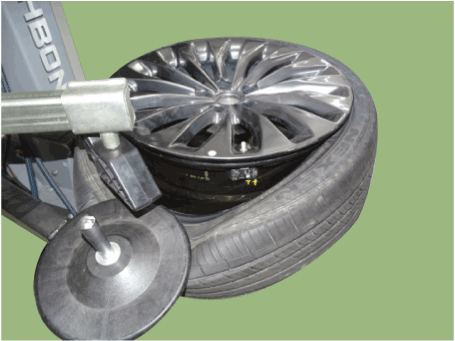
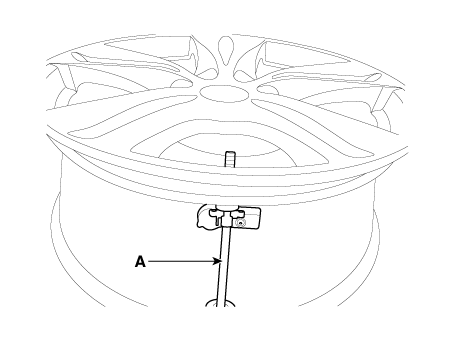
- Remove the screw using a Torx screwdriver (A).

- When installing the balance weight, make sure it does not contact the TPMS sensor.
- Be careful not to damage the TPMS sensor during installation. Keep the balance weight away from the TPMS sensor.
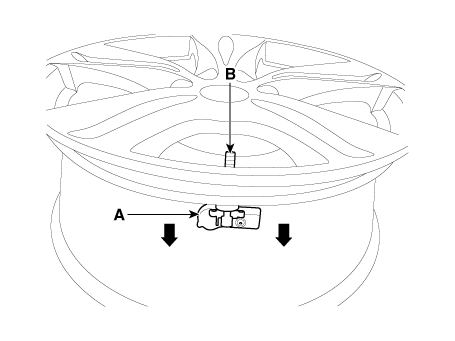
- Remove the sensor body (A) from the valve (B) in the direction of the arrow.
- Remove the valve using the valve installation tool.
- Cut the rubber at the bottom of the valve with a knife.
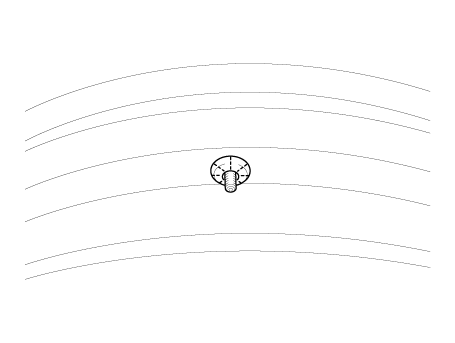
- Use the valve installation tool to pull the valve until it is fully out of the bottom hole.
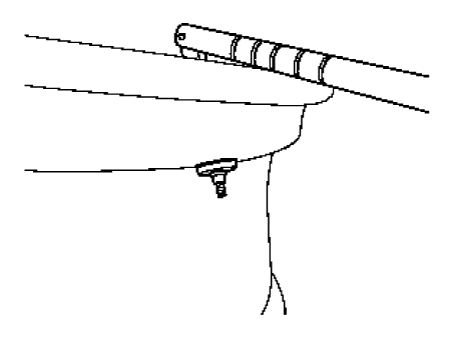
- Cut the rubber at the bottom of the valve with a knife.
- Apply lubricant to the valve surface, then install it through the wheel valve hole.

- We recommend using ordinary soapy water as a lubricant.
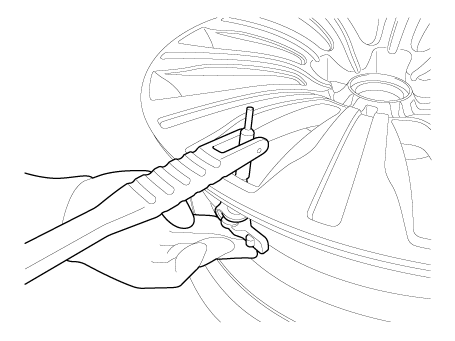

- The bottom of the TPMS sensor valve is not sealed properly. If it is not fully installed on the wheel, as shown in the following illustration:
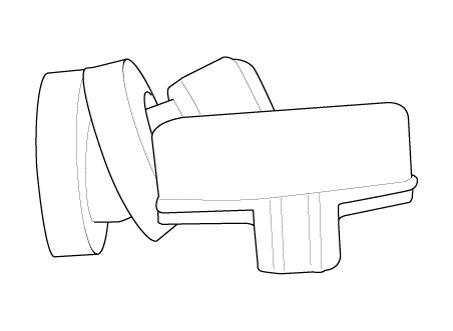
- Make sure the valve body is fully inserted into the hole.
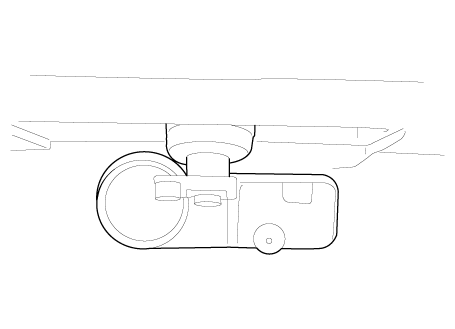
- We recommend using ordinary soapy water as a lubricant.
- Remove the tire changer.
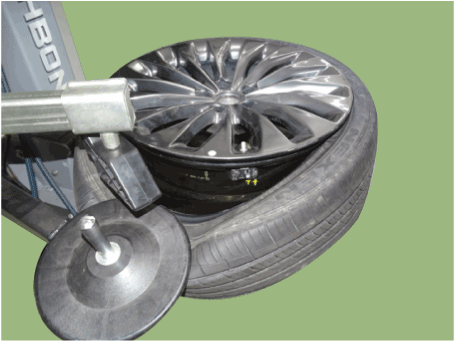
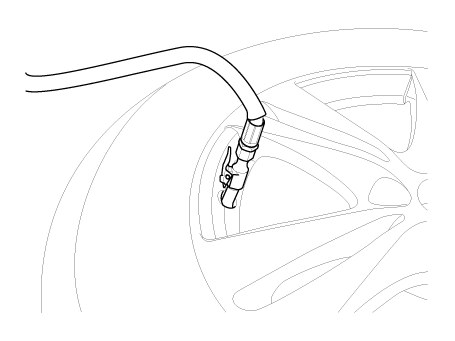
- Inflate the tire until the tire beads are seated properly.
Tire pressure: 240 kPa (35 psi)
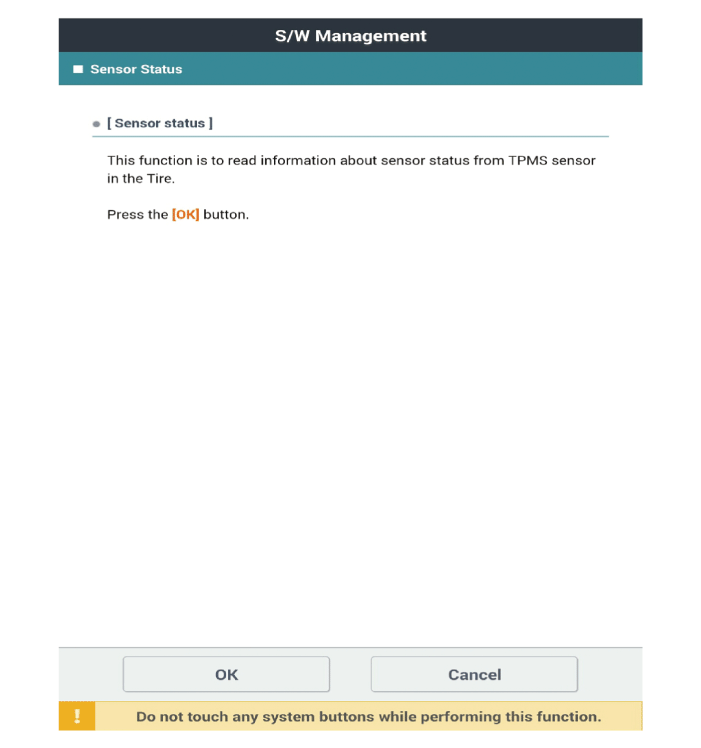
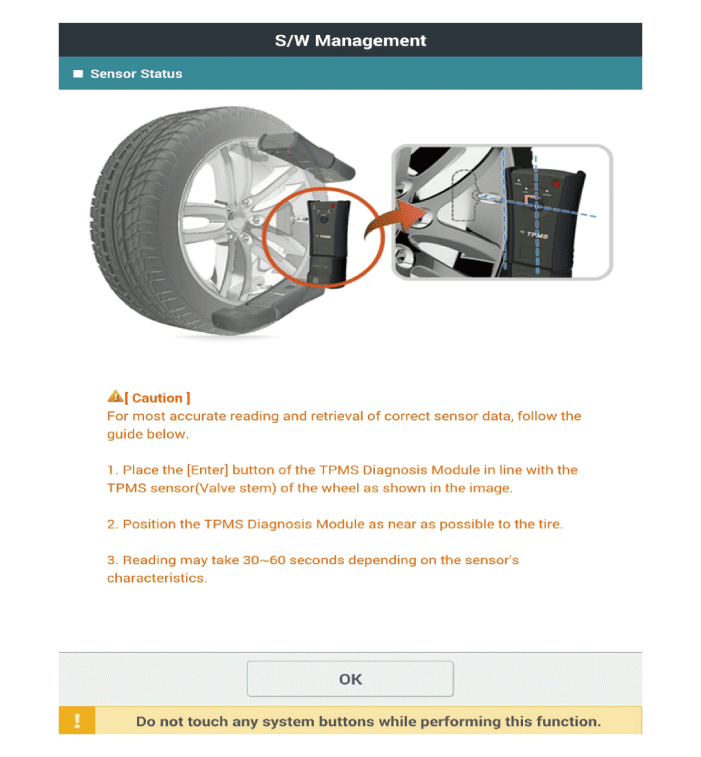
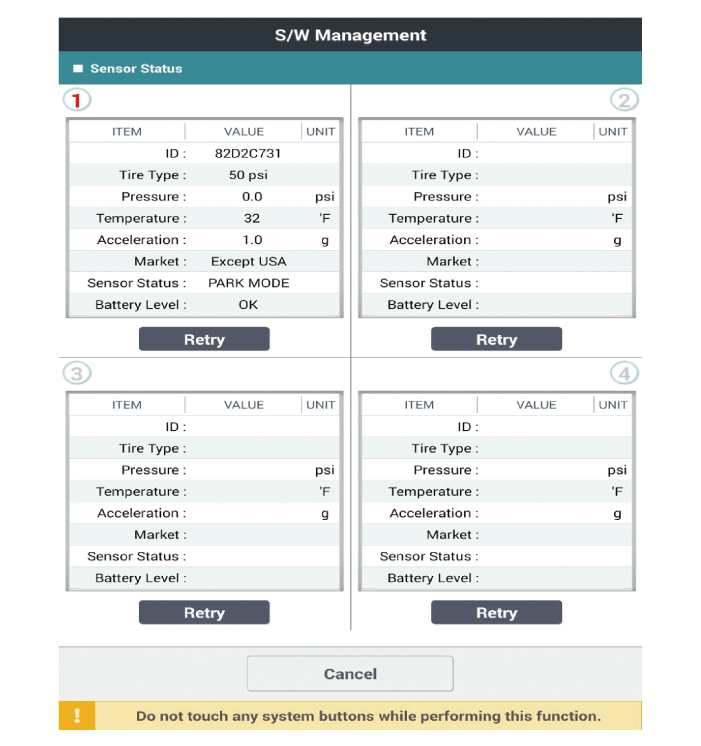
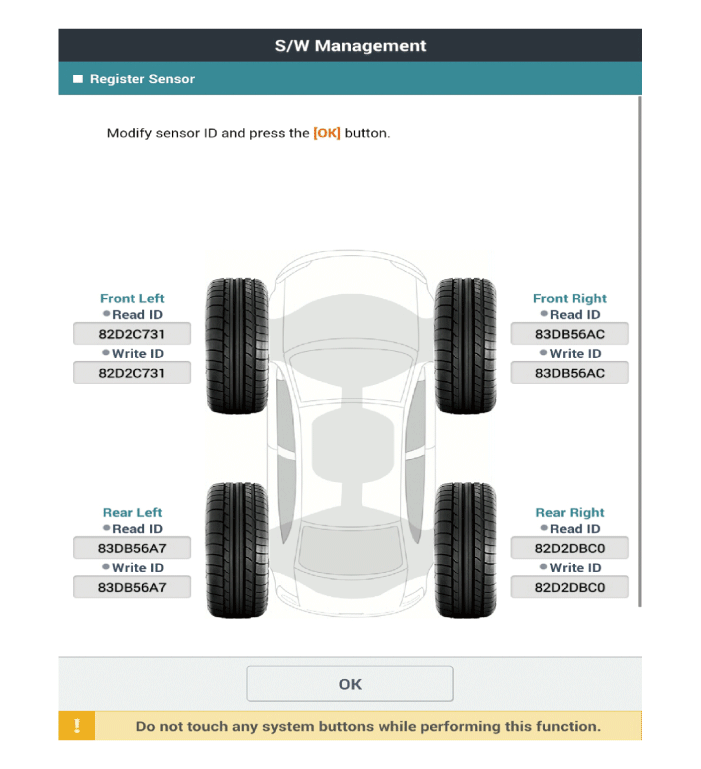
Diagnostic procedure using the diagnostic tool
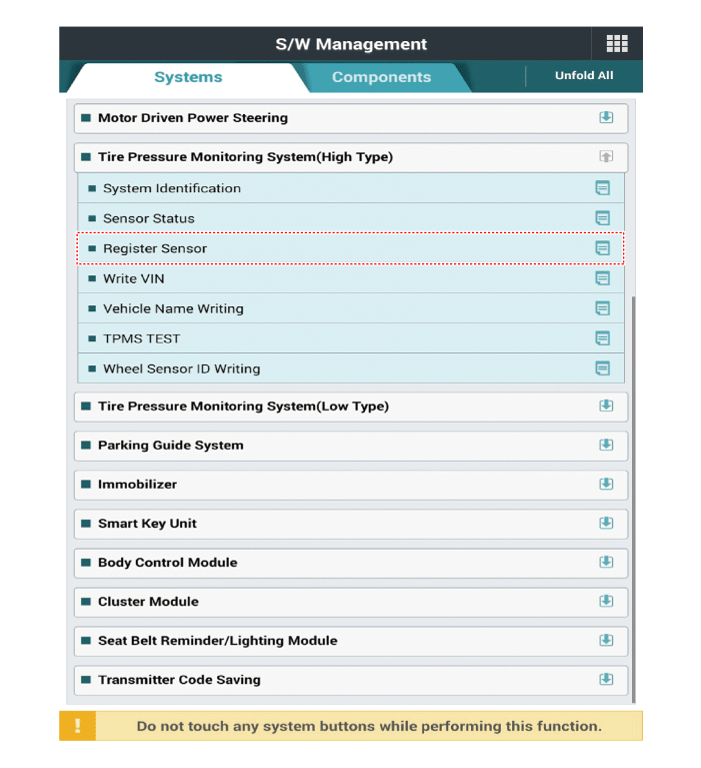
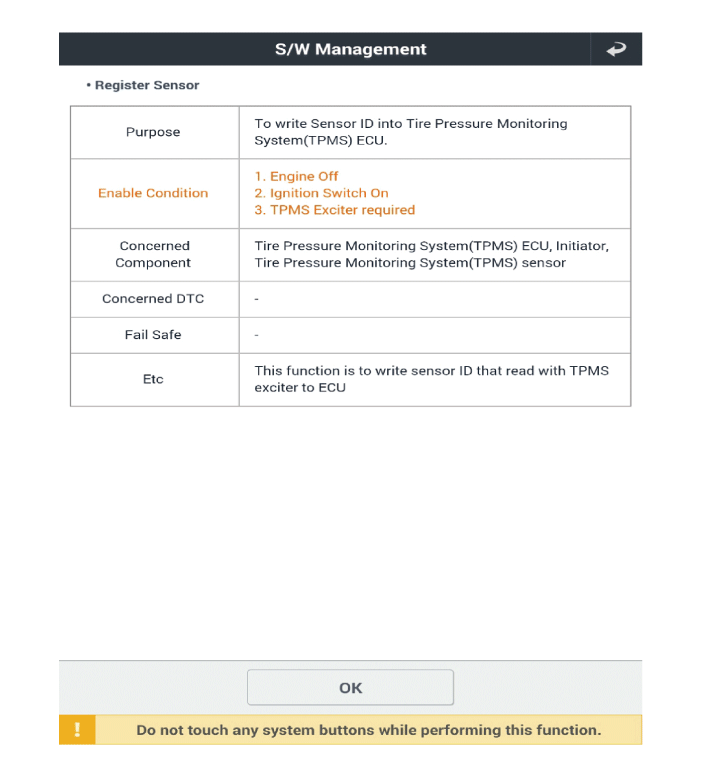
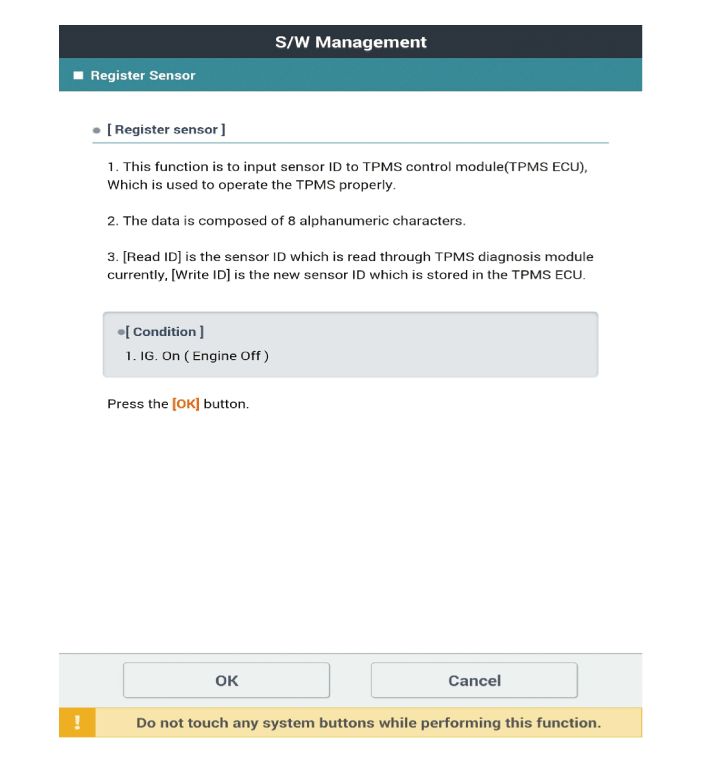
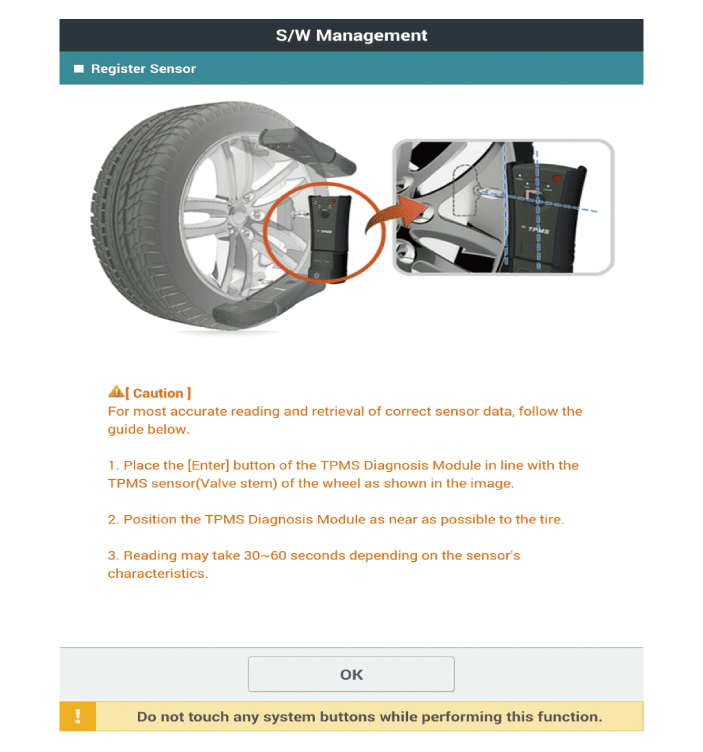
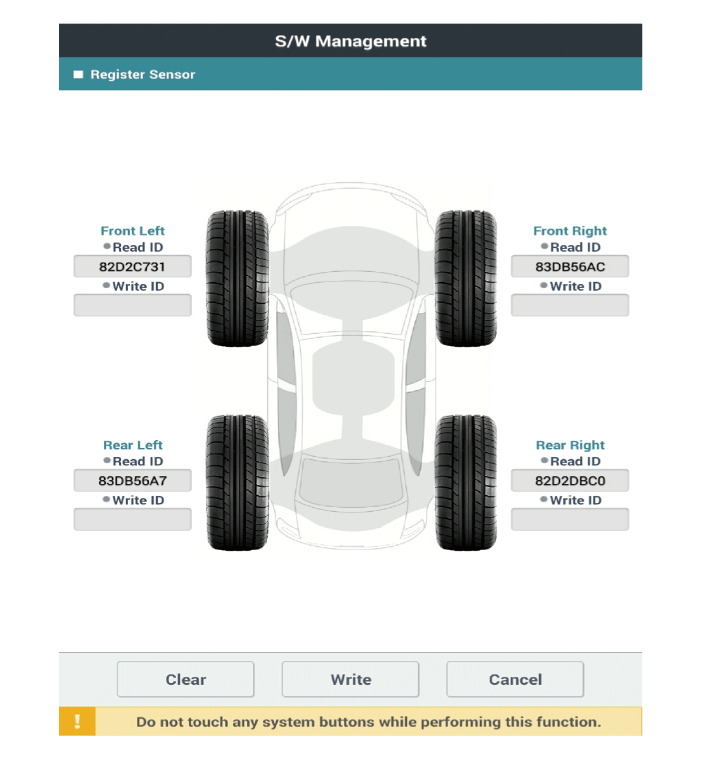
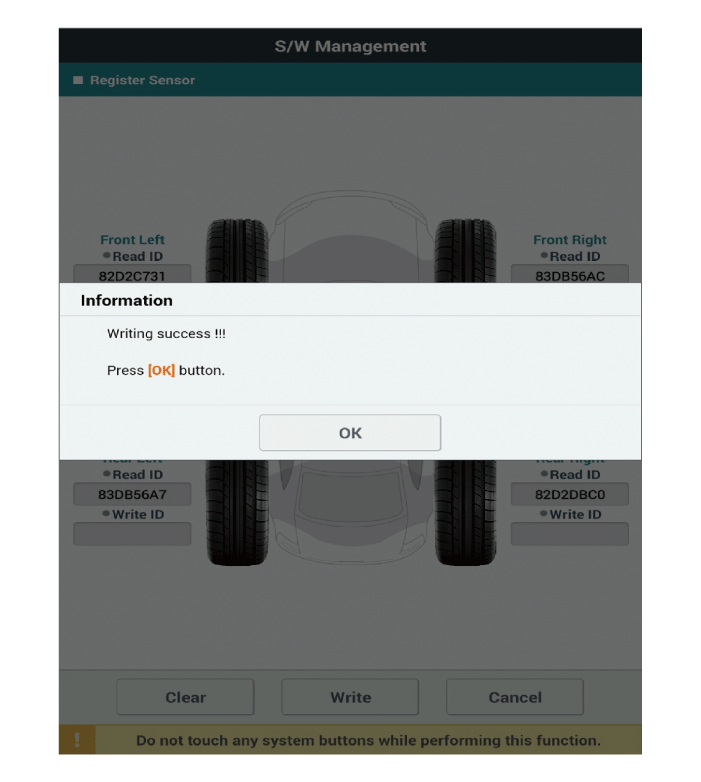
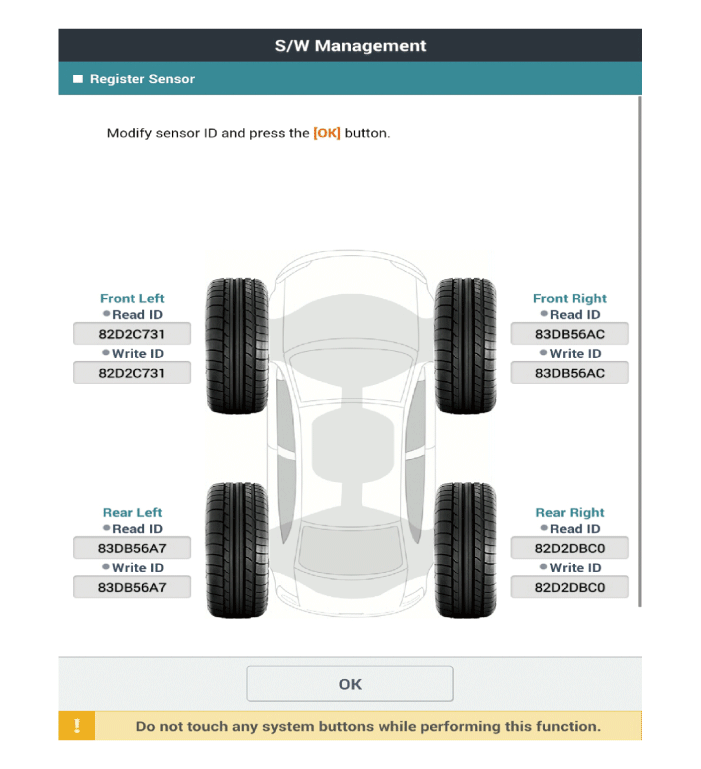
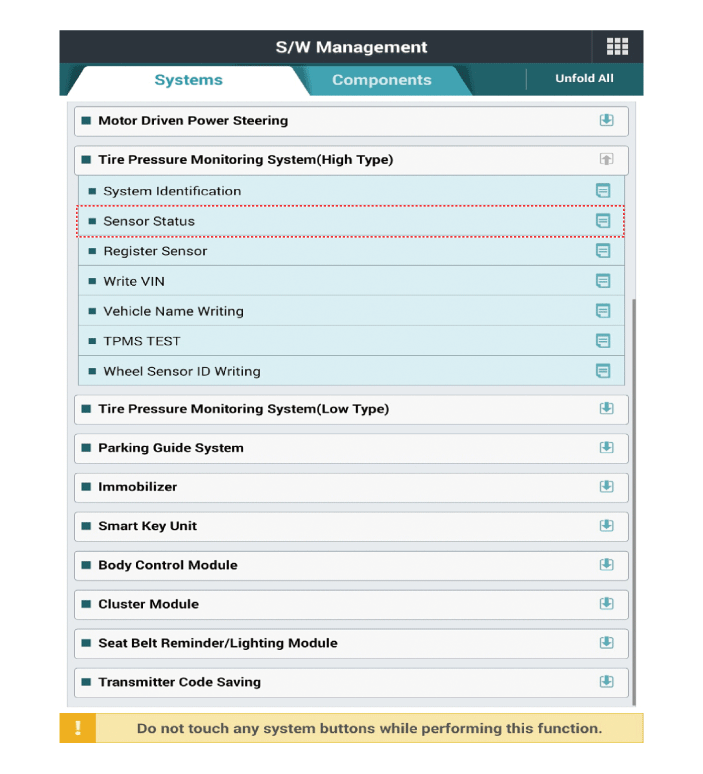
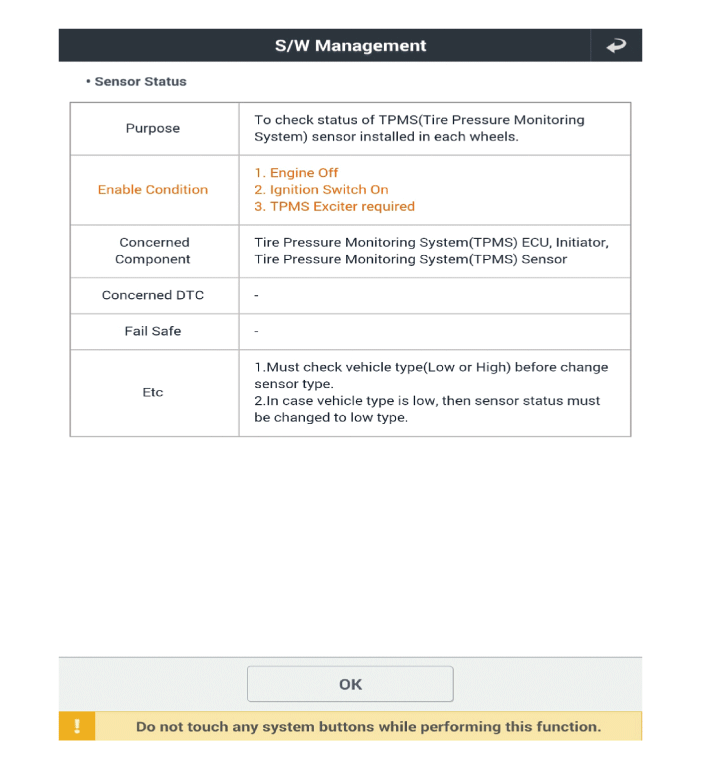
The following section describes how to diagnose malfunctions using the scan tool.- Connect the diagnostic tool to the data link connector (16-pin) under the protective cover on the driver's side, then turn the ignition on to activate the diagnostic tool.
- On the GDS vehicle type selection menu, select "Vehicle Type" and "TPMS System," then select "OK."
|

|

Test yourself
A quick Hyundai Palisade quiz: every answer comes with an explanation and a link to the manual page.
Was this page helpful?