Heating, Ventilation, and Air Conditioning
General Safety Information and Precautions
In this manual: Heating, Ventilation, and Air Conditioning
16steps
~96min
4/5difficulty
Done 0 of 16
Instructions
When Handling Refrigerant- Liquid refrigerant R-134a is highly volatile. A drop on your skin may cause local frostbite. Always wear gloves when handling refrigerant.
- It is standard practice to wear protective goggles or eye protection and gloves to protect your hands. If refrigerant splashes into your eyes, immediately flush them with clean water.
- R-134a container is under high pressure. Never leave it in a hot place and make sure the storage temperature is below 52 °C.
- Use an electronic leak detector to check the system for refrigerant leaks. Be aware that R-134a produces phosgene, a highly toxic gas, when it comes into contact with flame.
- Use only the lubricant recommended for R-134a systems. If lubricants other than the recommended type are used, system failure may occur.
- PAG lubricant absorbs moisture from the atmosphere very quickly, so the following precautions must be observed:
- When removing refrigerant components from the vehicle, immediately cap the components to prevent moisture from entering.
- When installing refrigerant components on the vehicle, do not remove the cap until immediately before connecting the components.
- Complete the connection of all refrigerant pipes and hoses immediately to prevent moisture from entering the air conditioning system.
- Use only recommended lubricant taken from a sealed container.
- If an accidental discharge into the system occurs, ventilate the work area before resuming service.
- Never open or loosen a connection until the system has been discharged.
- Immediately cover open component fittings with caps or plugs to prevent the entry of moisture or dust.
- Do not remove the sealing caps from a replacement component until it is ready for installation.
- Always install a new O-ring before connecting an open fitting. Coat the fitting with refrigerant oil and seal it before connecting.
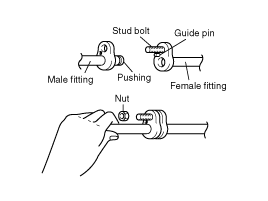
- When it is necessary to open the refrigerant system, prepare all the items needed to service the system so that it remains open no longer than necessary.
- Cap or plug all lines and fittings as soon as they are opened to prevent the entry of dirt and moisture.
- All lines and components in the parts stock must remain capped or sealed until they are ready for use.
- Never attempt to bend preformed lines to make them fit. Use the correct line for the installation you are servicing.
- All tools, including the refrigerant distribution manifold, gauge set manifold and charging hoses, must be kept clean and dry.
Test yourself
A quick Hyundai Kona quiz: every answer comes with an explanation and a link to the manual page.
Was this page helpful?