Running gear, axles, steering
Checking outer constant velocity joint
In this manual: Running gear, axles, steering
~1min read
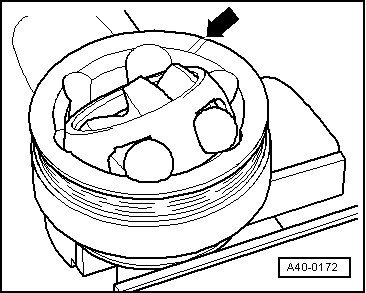
The joint is to be dismantled to renew the grease if it is heavily soiled, or to check the running surfaces of the balls for wear and damage. Removing |
|
 |
|
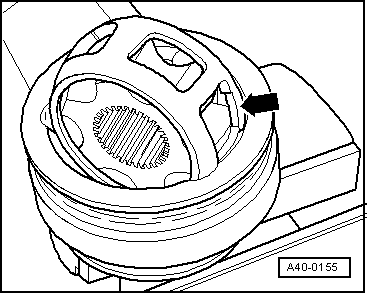 |
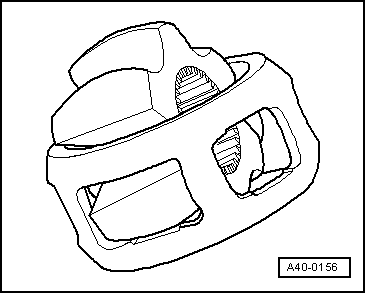
 Note The six balls for each joint belong to a tolerance group. Check stub axle, hub, cage and balls for small indentations (pitting) and traces of seizing. Too much circumferential backlash in the joint becomes noticeable during load change jolts. In such cases the joint must be renewed. Smoothing and traces of wear of the balls are no reason to change the joint.InstallingInstall in reverse order of removal, observing the following:
Note Make sure cage is inserted in correct position (i.e. sides facing in same direction as original position).
|
 |
Test yourself
A quick Volkswagen Golf quiz: every answer comes with an explanation and a link to the manual page.
Was this page helpful?