Off-Road Driving, Highway Driving
Off-Road Driving
Drive carefully off-road, because your vehicle may be damaged by rocks or tree roots. Familiarize yourself with the off-road conditions you intend to drive in before you start driving.
Highway Driving
Tires
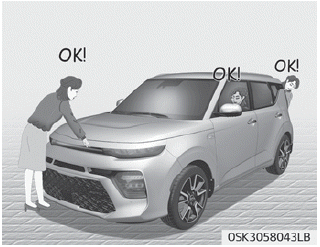
Adjust tire pressure to the specification. Low tire pressure will cause overheating and possible tire failure.
Avoid using worn or damaged tires, which may result in reduced traction or tire failure.
NOTICE
Never exceed the maximum tire pressure indicated on the tire.
WARNING
- Underinflated or overinflated tires can lead to poor handling, loss of vehicle control, and sudden tire failure, resulting in accidents, injury, or even death. Always check tire inflation before driving. For correct tire pressure, refer to "Tires and Wheels" on page 8-48.
- Driving on tires with no tread or insufficient tread is dangerous. Worn tires may cause loss of vehicle control, collisions, injury, or even death. Replace worn tires as soon as possible and never use them for driving. Always check tire tread before driving. For more information and tread limits, refer to "Tires and Wheels" on page 8-48.
Fuel, Engine Coolant, and Engine Oil
Driving at high speed consumes more fuel than city driving. Be sure to check both the engine coolant and the engine oil.
Drive Belt
A loose or damaged drive belt may cause the engine to overheat.
Test yourself
A quick Kia Soul Owner's Manual quiz: every answer comes with an explanation and a link to the manual page.