Ignition System
The ignition system generates sparks that ignite the fuel-air mixture. To provide the required ignition energy, the ignition coil converts the 12 V battery voltage to approximately 30,000 V.
Diesel engines do not have an ignition system. Here, due to the high compression ratio, the air is heated to a temperature that ensures self-ignition of the fuel when it is injected.
BMW gasoline engines are equipped with a direct, adjustable ignition system. Ignition is controlled by the engine control unit (DME). The system does not have a conventional ignition distributor. Ignition distribution to the cylinders is controlled by the electronic control unit, which has no moving parts. The ignition voltage is supplied by six independent ignition coils located above the spark plugs. Ignition timing is synchronized by the system using signals generated by a pulse sensor. The sensor is located at the front of the cylinder block. The sensor operates depending on engine speed.
To determine the required ignition timing, the control unit uses the corresponding ignition characteristic maps. This allows the ignition system to adapt to various operating conditions.
Ignition timing also depends on data received from the knock sensor. Since fuel consumption is minimal at a higher compression ratio, the compression ratio in modern engines is set to the maximum. On the other hand, a high compression ratio can lead to an uncontrolled combustion process, which manifests as engine knock. Prolonged knock causes engine damage. To prevent this, a knock sensor is installed; it detects the onset of knock and sends a signal to the control unit, which in turn retards the ignition timing. The BMW engine has two knock sensors located in the cylinder block. One sensor detects knock in cylinders 1-2-3, the other in cylinders 4-5-6. The knock sensor makes it possible to use fuel with lower knock resistance (AI-91 gasoline). However, it should be noted that this results in reduced engine power. The use of AI-98 gasoline increases engine power.
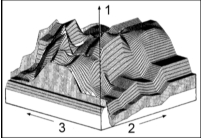
All ignition system components are matched to each other and ensure optimal ignition timing. Ignition timing adjustment is not possible.
When working with the electronic ignition system, observe the appropriate safety precautions to prevent personal injury or damage to the system.
Test yourself
A quick BMW 1 quiz: every answer comes with an explanation and a link to the manual page.