Tyre Pressure Monitoring System
DANGER
The tyre pressure monitoring system does not replace manual tyre pressure checks. Check the tyre pressures regularly (at least once a month) with a suitable pressure gauge. See Inflating the tyres in this chapter. Failure to check tyre pressures may increase the risk of tyre faults, loss of control, vehicle rollover and personal injury.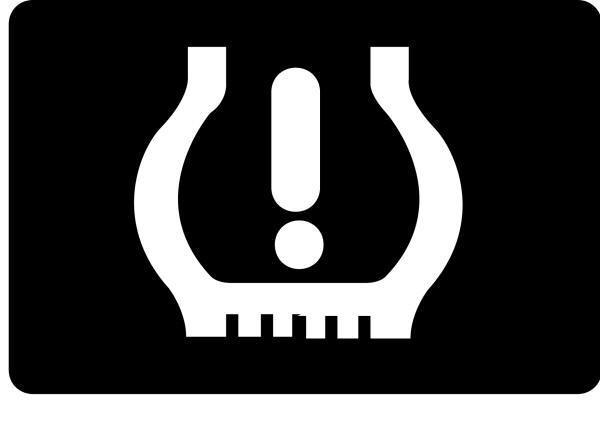 Each tire, including the spare wheel if fitted, must be checked monthly when cold and inflated to the pressure specified by the vehicle manufacturer on the tire pressure label. (If the vehicle has tires of a different size from those indicated on the label, the correct inflation pressure must be determined.)
The tire pressure monitoring system does not replace routine tire maintenance. It is the driver's responsibility to maintain the correct tire pressure, even when the situation is not yet serious enough to turn on the low tire pressure warning light.
The vehicle is also equipped with a tire pressure monitoring system malfunction indicator that indicates when the system is not operating correctly. The malfunction indicator is combined with the tire pressure warning light. When the system detects a malfunction, the light flashes for approximately one minute, then remains on continuously. This sequence will repeat at subsequent vehicle start-ups for as long as the malfunction persists.When the malfunction indicator light is on, the system may be unable to detect or signal a low tire pressure condition. System malfunctions can occur for a variety of reasons, including the fitting of a replacement wheel or tire that prevents the system from operating correctly. Always check the tire pressure monitoring system malfunction light after replacing one or more tires or wheels on the vehicle to make sure that the replacement tires or wheels allow the system to operate correctly.
Tire replacement on vehicles with a tire pressure monitoring system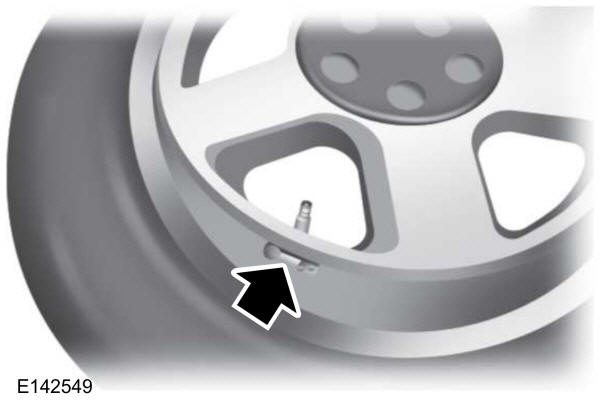
For tire service, it is always recommended to contact an authorized dealer.
Check the tire pressure regularly (at least once a month) with a pressure gauge. See Tire inflation in this chapter.Description of the tire pressure monitoring system
The tire pressure monitoring system measures the pressure of the four road tires and sends the measured values to the vehicle. The low tire pressure warning light comes on if the pressure is very low. When the light comes on, the tires are deflated and must be inflated to the pressure specified by the manufacturer. Even if the light comes on and then goes off shortly afterwards, the tire pressure must still be checked.When the temporary spare wheel is fitted
When one of the road tires must be replaced with the spare wheel, the tire pressure monitoring system will continue to indicate a fault to signal that the damaged road wheel and tire assembly must be repaired and refitted to the vehicle.To restore full operation of the tire pressure monitoring system, have the damaged wheel and tire assembly repaired and refitted to the vehicle.
If you believe the system is not working correctlyThe main function of the tire pressure monitoring system is to warn of low tire pressure. It can also indicate that the system is no longer able to operate as intended. For information on the tire pressure monitoring system, see the following table.
| Low tire pressure warning light | Possible causes | Action required |
|---|---|---|
| Light on steadily | Tire(s) partially deflated | 1. Make sure the tires are at the correct pressure. See Tire inflation in chapter 2. After inflating the tires to the pressure specified by the manufacturer on the label (located on the edge of the driver's door or on the center pillar), drive the vehicle for at least two minutes at a speed above 32 km/h before the light goes off. |
| Using the spare tire | To restore correct system operation, repair the damaged road wheel and tire assembly and refit it to the vehicle. For a description of how the system works, see When the temporary spare wheel is fitted in this section. | |
| Tire pressure monitoring system malfunction | If the tyres are inflated to the specified pressure, the spare wheel is not fitted but the warning light stays on, contact an authorised dealer as soon as possible. | |
| Flashing warning light | Using the spare tire | To restore correct system operation, repair the damaged road wheel and tire assembly and refit it to the vehicle. For a description of how the system works, see When the temporary spare wheel is fitted in this section. |
| Tire pressure monitoring system malfunction | If the tyres are inflated to the specified pressure, the spare wheel is not fitted but the warning light stays on, contact an authorised dealer as soon as possible. |
When inflating the tyres
When inflating the tires (at a service station or in a garage), the tire pressure monitoring system may respond immediately to the air added to the tires.You may need to drive over 32 km/h before the warning light goes out after inflating the tyres to the specified pressure
Effect of temperature on tire pressureThe Tyre Pressure Monitoring System monitors the pressure of each tyre. During normal driving, the pressure of the passenger tyres may increase by as much as 2-4 psi (14 - 28 kPa) compared with the cold start value. If the vehicle is parked overnight and the temperature drops considerably from the daytime temperature, the tyre pressure may decrease by as much as 3 psi (21 kPa) for a 17 C (30 F) drop in ambient temperature. The system registers this lower pressure value as significantly lower than the specified inflation pressure and the warning light comes on. If the low tyre pressure warning light comes on, visually check each tyre to make sure none is flat. If one or more tyres are flat, repair them. Check the air pressure in the road tyres. If one of the tyres is flat, drive carefully to the nearest filling station. Inflate the tyres to the specified pressure.
Test yourself
A quick Ford Ka quiz: every answer comes with an explanation and a link to the manual page.