Rear parking assist system
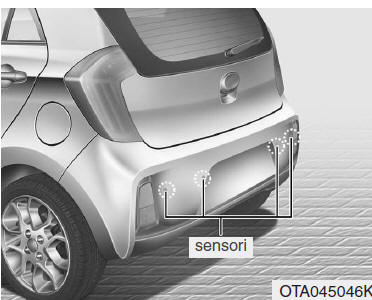
The rear parking assist system assists reversing by sounding the buzzer when objects are detected behind the vehicle within a distance of 120 cm. This system is a simple aid, so the driver must still pay particular attention. The range and the objects detectable by the rear sensors are limited. When reversing, exercise the same care you would need in a vehicle without a parking assist system.
WARNING The rear parking assist system is only an aid. Operation of the rear parking assist system may be affected by various factors (including weather conditions). It is the driver's responsibility to always check the area behind the vehicle before reversing.Operation of the rear parking assist system
Operating conditions
- This system operates when reversing with the ignition key in ON.
- The detection distance when the rear parking assist system is active is approximately 120 cm.
- When multiple objects are detected at the same time, priority is given to the nearest one.
Types of sound
- When the obstacle is 120 - 81 cm from the rear bumper: the buzzer sounds intermittently.
- When the obstacle is 80 - 41 cm from the rear bumper: the buzzer sounds more frequently.
- When the obstacle is within 40 cm of the rear bumper: the buzzer sounds continuously.
Conditions in which the rear parking assist system does not operate
The rear parking assist system may not operate correctly when:
- Frozen moisture is present on the sensor. (Once the moisture is removed, the sensor will operate normally.)
- The sensor is covered by foreign matter such as snow or water, or the sensor cover is blocked. (Once the foreign matter or obstruction is removed, the sensor will operate normally.)
- Driving on rough surfaces (unpaved, gravel, uneven roads or slopes).
- Very loud noises (horns of other vehicles, loud motorcycles or truck air brakes) interfere with the sensor.
- Heavy rain or water spray.
- Wireless transmitters or mobile phones within the sensor's operating range.
- Sensor covered with snow.
- Towing a trailer.
The detection range may decrease when:
- The sensor is covered by foreign matter such as snow or water. (Once the foreign matter is removed, the detection range returns to normal.)
- The outside temperature is excessively high or excessively low.
The following types of objects may not be detected by the sensor:
- Sharp or thin objects, such as ropes, chains or posts.
- Objects that tend to absorb the sensor frequency, such as cloth, spongy materials or snow.
- Objects less than 1 m in height or 14 cm in diameter.
Precautions for the rear parking assist system
- The rear parking assist system buzzer may not sound in the correct sequence depending on the speed and shape of the detected objects.
- The rear parking assist system may not operate correctly if the bumper height or sensor installation is changed or the sensors are damaged. Any device or accessory not installed by the manufacturer may adversely affect sensor operation.
- The sensor may not detect objects closer than 40 cm to the sensor, or may display an incorrect distance. Use caution.
- When iced over or covered with snow or water, the sensor may not function until it is cleaned with a soft cloth.
- Do not press, scratch or strike the sensor. This may damage the sensor.
NOTE This system can only detect objects within the sensors' detection range, and does not detect objects in areas not covered by the sensors. Also, low or thin objects, such as poles or objects located between two sensors, may not be detected.
When reversing, always look behind you.
Always inform all users of the vehicle about the capabilities and limitations of the system.
WARNING Take great care when driving near objects on the road, especially pedestrians and children. Keep in mind that some objects may not be detected by the sensors due to their distance, size or material. Always make sure the area is clear before moving the vehicle in any direction.Self-diagnosis
Any malfunction of the rear parking assist system is indicated by the absence of warning sounds or intermittent sounds when the "R" position is selected. In this case, have the vehicle checked as soon as possible by an authorized Kia dealer.
WARNING Your vehicle warranty does not cover damage to the vehicle or occupants resulting from a malfunction of the rear parking assist system. Always drive carefully and safely.Hazard warning flashers
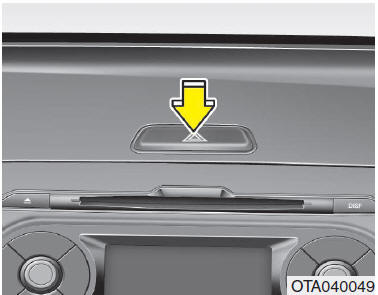
Use the hazard warning lights whenever it is necessary to stop the vehicle in a dangerous position. In such emergency stops, always pull over as far as possible to the edge of the road.
To activate the hazard warning lights, press the hazard switch. This causes all turn signal indicators to flash. The hazard warning lights work even when the key is not inserted in the ignition switch.
To turn off the hazard warning lights, press the switch again.
Test yourself
A quick Kia Picanto JA quiz: every answer comes with an explanation and a link to the manual page.