Brakes. Power steering. Automatic transmission
Brake fluid, power steering and automatic transmission of the Kia Opirus require regular attention to ensure they function reliably. This section explains how to correctly check and adjust the respective fluid levels. Numerous safety warnings caution against improper handling, such as mixing brake fluids or overfilling the transmission. With this guidance, all hydraulic systems of the vehicle stay in top condition, essential for anyone who wants to maintain their Opirus over the long term.
Brakes
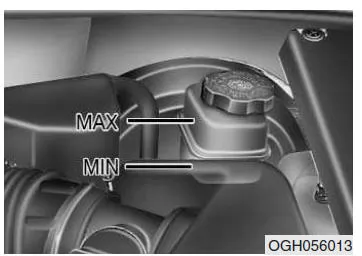
Before removing the reservoir cap, thoroughly clean the area around the cap so that brake fluid cannot become contaminated.
If the brake fluid level is low, top up brake fluid to the MAX mark. The fluid level drops as mileage increases. This is normal and depends on brake pad wear. If the brake fluid level has dropped significantly, have the brake system checked by an authorized KIA dealer.
Use only specified brake fluid (see section "Recommended Lubricants" later in this chapter).
Never mix different types of brake fluid.
WARNINGDue to the disposal issue, the special tools required and the necessary expertise, brake fluid replacement should only be carried out by a KIA dealer.
WARNINGIf brake fluid has to be topped up frequently, have the brake system of your vehicle checked by an authorized KIA dealer.
WARNINGBe very careful when handling brake fluid when replacing or topping it up. Do not allow brake fluid to get into your eyes. If brake fluid does get into your eyes, rinse them thoroughly with fresh water. Have your eyes examined by a doctor as soon as possible.
CAUTIONDo not allow brake fluid to come into contact with the vehicle paint, as brake fluid damages the paint. Brake fluid that has been stored for a long period without being kept airtight must not be used further, as its quality can no longer be guaranteed. Such brake fluid must be disposed of.
Use only fresh, specified brake fluid.
Even slight contamination of brake fluid, e.g. by a few drops of engine oil, can damage brake system components.
Power Steering
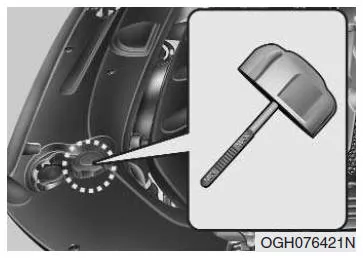
Check power steering fluid level
Check the power steering fluid level at regular intervals.
Park your vehicle on level ground for the check. The fluid level should be between the MAX and MIN dipstick marks. The dipstick is located under the reservoir cap.
Clean the area around the reservoir cap thoroughly before removing the cap, so that the power steering fluid cannot be contaminated.
If the fluid level is low, top up with the appropriate fluid to the MAX mark.
If power steering fluid has to be topped up frequently, have the power steering system of your vehicle checked by an authorized KIA dealer.
NOTE
- To avoid damaging the power steering pump, do not drive the vehicle for an extended period if the power steering fluid level is low.
- Do not start the engine if the power steering fluid reservoir is empty.
- When topping up power steering fluid, make sure no contaminants can enter the reservoir.
- A fluid level that is too low may result in increased steering effort or unusual noises.
NOTE
- Using a non-specified power steering fluid may cause damage to the power steering system.
Use only specified power steering fluid (see section "Recommended Lubricants" later in this chapter).
Power steering fluid lines
Before driving, check the power steering line connections for leaks and the lines for proper and undamaged condition.
Automatic transmission
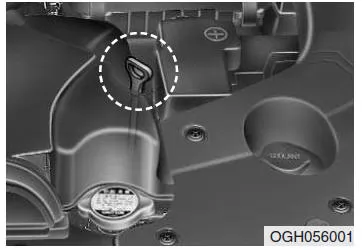
Check automatic transmission fluid level
Check the automatic transmission fluid level at regular intervals.
Park the vehicle on level ground with the parking brake applied and check the automatic transmission fluid level as described in the following instructions.
1. Move the selector lever to the Neutral position N and make sure the engine is running at idle speed.
2. When the automatic transmission has warmed up sufficiently (fluid temperature 70 - 80°C), e.g. after 10 minutes of normal driving, move the selector lever through all selector positions, then return it to Neutral N or Park P.
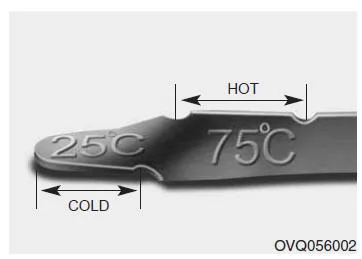
3. Make sure the fluid level on the dipstick is in the "HOT" range. If the fluid level is below this, top up with specified fluid through the filler opening. If the fluid level is above this, drain fluid through the drain opening.
4. If the fluid level is checked under cold conditions (20 - 30°C), top up fluid to the dipstick mark "COLD", then check the fluid level again as in step 2 above.
CAUTION - Automatic transmission fluidThe transmission fluid level must be checked when the engine is at operating temperature.
This means the engine, radiator, radiator hoses, exhaust system, etc. are very hot. Take great care not to burn yourself on the hot components.
CAUTION- An insufficient fluid level causes slipping in the automatic transmission. An excessive fluid level can cause foaming, fluid loss and malfunction of the automatic transmission.
- Using non-specified transmission fluids can lead to malfunction and failure of the automatic transmission.
To prevent the vehicle from moving off suddenly, apply the parking brake and depress the brake pedal before moving the selector lever into a driving position.
NOTE
The "COLD (C)" range serves for reference only and must NOT be used to determine the correct fluid level.
NOTE
New automatic transmission fluid is dyed red. The red color makes it easier to tell the fluid apart from engine oil and engine coolant. However, the red color says nothing about the quality of the transmission fluid, and it is not permanent.
During vehicle use, the color changes and the transmission fluid becomes darker or even light brown.
The brake system, power steering and automatic transmission of the Kia Opirus 2003–2011 require regular checks to ensure proper operation. These systems remain reliable only when specified fluids are used and they are carefully maintained.
Detecting leaks early and refilling with the correct fluids contribute significantly to vehicle safety. This way, the Kia Opirus provides maximum comfort and stability on all roads.
FAQWhy must the wrong transmission or power steering fluid never be used?
Because it can cause malfunctions and damage.
What should be done if the brake fluid level drops?
Have the brake system checked immediately to ensure safety.
Test yourself
A quick Kia Opirus quiz: every answer comes with an explanation and a link to the manual page.