Wheels and Tires
Original tires are specially selected for this vehicle and provide comfortable driving conditions and tread durability.
Use of inappropriate tires and/or wheels may result in an accident.
• Before replacing original tires or wheels, consult an authorized Chevrolet dealer.
Otherwise, such replacement may result in injury, vehicle damage and damage to other property. Using tires of a non-recommended size or with unsuitable speed or load ratings is potentially hazardous and may void the vehicle warranty.
MAINTENANCE
• Do not overload the vehicle.
• Tires must always be inflated to the required pressure.
• Check tire pressure when the tires are cold (ambient temperature).
Maintaining the tire pressure specified in this manual will provide the most comfortable driving conditions, safety and high performance.
Use an accurate pressure gauge to measure tire pressure. Tightly install the valve caps after checking the tire pressure.
Check tire pressure when the tires are cold. Tire pressure increases as the tires heat up. Tires may heat up after 1-2 km of driving; cooling takes approximately three hours (after the vehicle has stopped).
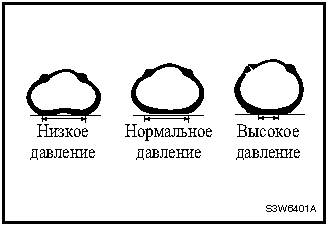
For normal tire pressure information, refer to the section "VEHICLE SPECIFICATIONS".
Inspect the tires before each trip and check tire pressure with a gauge at every refueling or at least once a month.
Insufficient tire pressure:
• Increases tire load;
• deteriorates vehicle handling and driving safety;
• affects driving comfort;
• increases fuel consumption.
If tire pressure is too low, the tires may overheat, internal damage may occur, the tread may separate, and the tire may even burst at high speed. Driving on underinflated tires may damage the tires even if they are later driven at normal pressure.
Carefully monitor the condition of the tires and wheels. Avoid sharp objects that may damage the tires and wheels. If some objects cannot be avoided, drive over them slowly and, if possible, at a right angle.
When parking, avoid hitting the curb.
Periodically inspect the tires for:
• visible damage;
• foreign objects in the tread;
• punctures;
• cuts;
• cracks;
• bulges on the sidewalls.
Inspect the wheels for damage.
Tire defects, including those described above, may result in loss of vehicle control and an accident.
If the tires or wheels are damaged or the tread is worn, consult an authorized Chevrolet dealer.
This vehicle is equipped with radial tires. When replacing tires, it is recommended to use radial tires of the same size, type, tread pattern, temperature rating and speed rating.
Using tires of a different size than those originally fitted to the vehicle may cause incompatibility between the tires and vehicle components, which may result in vehicle damage and tire damage.
Repair of damage caused by installing incorrect tires or non-original wheels is not covered by the manufacturer's warranty.
Test yourself
A quick Chevrolet Lacetti quiz: every answer comes with an explanation and a link to the manual page.