Trailer Towing Equipment
Trailer hitches
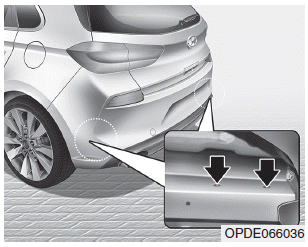
Information
The hitch mounting holes are located on both sides of the underbody behind the rear wheels.
It is important to have the correct hitch equipment. Crosswinds, large passing trucks, and uneven roads are some reasons why you need the right hitch. Follow these guidelines:
- Do you need to make any holes in the body of your vehicle when installing the hitch? If you do, be sure to seal the holes when you remove the hitch later. If you do not seal them, carbon monoxide (CO) from your exhaust may enter your vehicle, as well as dirt and water.
- The bumpers on your vehicle are not designed for hitches. Do not attach rental hitches or other bumper-type hitches to them. Use only a frame-mounted hitch that does not attach to the bumper.
- HYUNDAI trailer hitch accessories can be purchased from an authorized HYUNDAI dealer.
Safety Chains
Always attach safety chains between your vehicle and the trailer.
Safety chain instructions may be provided by the hitch manufacturer or the trailer manufacturer. Follow the manufacturer's recommendation for attaching safety chains. Always leave enough slack to allow the trailer to turn. Never allow safety chains to drag on the ground.
Trailer Brakes
If your trailer is equipped with brakes, make sure they comply with the regulations of your country and that they are properly installed and functioning correctly.
If your trailer weighs more than the maximum trailer weight without trailer brakes, it requires its own brakes, and they must be adequate. Be sure to read and follow the trailer brake instructions so you can install, adjust, and maintain them properly. Be sure not to modify your vehicle's brake system.
WARNING
Do not use a trailer with its own brakes unless you are absolutely sure you can properly adjust the brake system. This task is not for amateurs. Use an experienced, competent trailer shop for this work.
Test yourself
A quick Hyundai i30 quiz: every answer comes with an explanation and a link to the manual page.