Fuel recommendations
Use unleaded regular gasoline with an octane rating of 87 or higher (recommended octane rating of 91).
WARNING
- Using fuel other than the prescribed fuel could affect the operation of the emission control system and may affect warranty coverage.
- Never use leaded gasoline in your vehicle, as this could damage the three-way catalyst.
- Do not use E-15 or E-85 fuel in your vehicle. E-15 or E-85 fuel is not suitable for your vehicle.
Gasoline Specifications
NISSAN recommends using fuel that meets the specifications of the World Wide Fuel Charter. Many automobile manufacturers have developed these specifications to improve emission control system and vehicle performance. Ask the service station manager whether the fuel meets the World Wide Fuel Charter specifications.
Reformulated Gasoline
Some fuel suppliers produce reformulated gasoline. This gasoline is specially designed to reduce exhaust emissions from vehicles.
NISSAN supports efforts to reduce pollution and recommends using this gasoline if it is available in your area.
Oxygenated Gasoline
Some service stations sell gasoline containing oxygenates such as ethanol, MTBE (methyl tertiary butyl ether) and methanol, although their presence in the fuel is not always clearly indicated.
NISSAN does not recommend using fuels whose oxygenate content and compatibility with your NISSAN vehicle cannot be easily determined. If in doubt, ask the service station manager.
If you use gasoline containing oxygenates, observe the precautions below, as using this type of fuel may impair vehicle performance or damage the fuel system.
- Gasoline must be unleaded fuel with an octane rating equal to or higher than that recommended for unleaded gasoline.
- If oxygenated gasoline is used, its oxygenate content must not exceed 10% (except for methanol blends). However, MTBE may be up to 15%.
- E-15 fuel contains more than 10% oxygenates. E-15 fuel will harm the emission control systems and vehicle systems and must not be used. Damage caused by using these fuels is not covered by the NISSAN New Vehicle Limited Warranty.
- If a methanol blend is used, its methanol content must not exceed 5% (methyl alcohol, wood alcohol). The blend must also contain sufficient amounts of suitable cosolvents and corrosion inhibitors. Improper concentration of these ingredients may cause damage to the fuel system or impair vehicle performance. At this time, there is not enough data to ensure that all methanol blends are suitable for NISSAN vehicles.
If problems occur (engine stalling or hard starting when the engine is hot) after using oxygenated blends, switch to gasoline that does not contain oxygenates or that has a low MTBE content.
Take care not to spill gasoline when refueling. Gasoline containing oxygenates can damage paint.
E-15 Fuel
E-15 fuel is a blend of approximately 15% ethanol and 85% unleaded gasoline. E-15 fuel should only be used in vehicles designed to run on E-15 fuel. Do not use E-15 fuel in your vehicle. U.S. regulations require ethanol-blended fuel pumps to be identified with a small square orange and black label showing the common abbreviation or the percentage allowed in that region.
E-85 Fuel
E-85 fuel is a blend of approximately 85% ethanol and 15% unleaded gasoline. E-85 fuel may only be used in flexible fuel vehicles. Do not use E-85 fuel in your vehicle. U.S. regulations require ethanol-blended fuel pumps to be identified with a small square orange and black label showing the common abbreviation or the percentage allowed in that region.
Fuel Additives
NISSAN does not recommend using any aftermarket fuel additives (e.g., fuel injector cleaner, octane booster, intake valve deposit cleaner, etc.). Most of these additives designed to remove gum, varnish or other deposits may contain active solvents or similar ingredients that can harm the fuel system and engine.
About Octane Rating
Using gasoline with an octane rating lower than the recommended rating may cause severe and persistent "knocking" ("knocking" is a metallic rattling noise). If the knocking is severe, it could damage the engine. If persistent knocking is heard even though gasoline with the specified octane rating is being used, or if regular knocking is heard at constant speed on a flat road, have the problem corrected by a NISSAN dealer. Failure to correct this condition constitutes misuse of the vehicle, for which NISSAN assumes no liability.
Incorrect ignition timing may cause knocking, pre-ignition or engine overheating, which in turn may increase fuel consumption or damage the engine. If you notice any of these symptoms, have your vehicle inspected by a NISSAN dealer.
However, slight knocking may be briefly heard during acceleration or when climbing hills. This is normal: under high engine load, fuel economy is better when slight knocking occurs briefly.
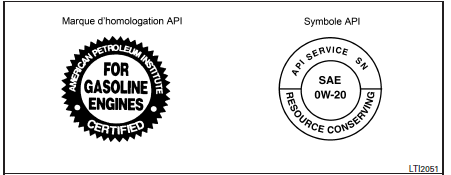
QR25DE engine models
Test yourself
A quick Nissan Altima quiz: every answer comes with an explanation and a link to the manual page.