Paint Maintenance
Washing
To protect the vehicle's paint from rust and deterioration, wash it thoroughly and frequently, at least once a month, with lukewarm or cold water.
If you drive the vehicle off-road, wash it after each use. Pay particular attention to removing salt, dirt, mud, and other foreign material buildup.
Make sure the drain holes at the bottom of the doors and rocker panels are clear and clean.
Insects, tar, resin, bird droppings, pollution, and similar deposits can damage the vehicle's paint if not removed immediately.
Even prompt washing with water may not completely remove these deposits. Use a mild soap suitable for painted surfaces.
After washing, rinse the vehicle thoroughly with lukewarm or cold water.
Do not let soap dry on the paint
NOTICE Do not use harsh soap, chemical cleaners, or boiling water, and do not wash the vehicle in direct sunlight or when the body is hot. WARNING - Wet Brakes After washing the vehicle, test the brakes by driving slowly to see whether they have been affected by water. If braking performance is impaired, dry them by applying the brakes lightly at low speed.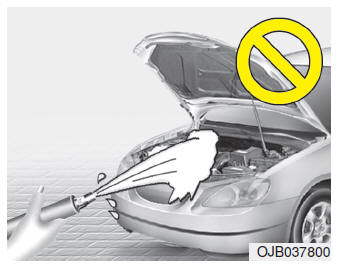
Wax
Apply wax to the vehicle when water no longer beads up on the paint.
Always wash and dry the vehicle before waxing. Use a good quality liquid or paste wax and follow the manufacturer's instructions. Apply wax to bright metal finishes to protect them and maintain their shine.
Removing oil, tar, and similar materials with a tar remover usually removes wax from the paint. Re-wax these areas even if the rest of the vehicle does not need waxing.
NOTICE - Removing dust or dirt from the body with a dry cloth will scratch the paint. - Do not use steel wool, abrasive detergents, or strong cleaners containing highly alkaline or caustic agents on chrome parts or anodized aluminum. They may damage the protective layer and cause discoloration or deterioration of the paint.Test yourself
A quick Hyundai i10 quiz: every answer comes with an explanation and a link to the manual page.