Fuel Quality
Selecting the Correct Fuel
Selecting the Correct Fuel
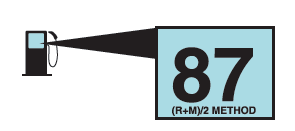
Your vehicle runs on regular unleaded gasoline with a minimum anti-knock index (R+M)/2 of 87.
Some gas stations, especially at high altitude locations, may offer fuel labeled as regular unleaded gasoline with an octane rating lower than 87. Using these fuels may cause engine damage that is not covered by the vehicle warranty.
For best vehicle and engine overall performance, premium fuel with an octane rating of 91 or higher is recommended. The performance gained by using premium fuel is especially noticeable in hot weather and under conditions such as towing a trailer.
Do not worry if the engine occasionally knocks slightly. However, if the engine knocks heavily when using fuel with the recommended octane rating, contact an authorized dealer to prevent any engine damage.
We recommend using Top Tier detergent gasolines where available to help minimize engine deposits and maintain optimal vehicle and engine performance. For more information, see www.toptiergas.com.
Do not use:
- Diesel fuel.
- Fuel containing kerosene or paraffin.
- Fuel containing more than 15% ethanol or E85 fuel.
- Fuel containing methanol.
- Fuel containing metallic-based additives, including manganese-based compounds.
- Fuel containing the octane-boosting additive methylcyclopentadienyl manganese tricarbonyl (MMT).
- Leaded fuel. The use of leaded fuel is prohibited by law.
Using fuels with metallic compounds such as methylcyclopentadienyl manganese tricarbonyl (commonly known as MMT), which is a manganese-based fuel additive, degrades engine performance and affects the emission control system.
Selecting the Correct Fuel - Flexible Fuel Vehicles
Flexible fuel vehicles have one of the following identifiers:
- Yellow fuel filler cap.
- Yellow frame around the fuel filler opening.
- Yellow fuel tank cap.
- Yellow E85 label on the fuel tank door.
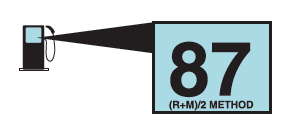
Your vehicle runs on regular unleaded gasoline with a minimum anti-knock index (R+M)/2 of 87, or regular unleaded gasoline containing up to 85% ethanol (E85).
Some gas stations, especially at high altitude locations, may offer fuel labeled as regular unleaded gasoline with an octane rating lower than 87. Using these fuels may cause engine damage that is not covered by the vehicle warranty.
For best vehicle and engine overall performance, premium fuel with an octane rating of 91 or higher is recommended. The performance gained by using premium fuel is especially noticeable in hot weather and under conditions such as towing a trailer.
Do not worry if the engine occasionally knocks slightly. However, if the engine knocks heavily when using fuel with the recommended octane rating, contact an authorized dealer to prevent any engine damage.
We recommend using Top Tier detergent gasolines where available to help minimize engine deposits and maintain optimal vehicle and engine performance. For more information, see www.toptiergas.com.
Do not use:
- Diesel fuel.
- Fuel containing kerosene or paraffin.
- Fuel containing more than 85% ethanol or E100 fuel.
- Fuel containing methanol.
- Fuel containing metallic-based additives, including manganese-based compounds.
- Fuel containing the octane-boosting additive methylcyclopentadienyl manganese tricarbonyl (MMT).
- Leaded fuel. The use of leaded fuel is prohibited by law.
Using fuels with metallic compounds such as methylcyclopentadienyl manganese tricarbonyl (commonly known as MMT), which is a manganese-based fuel additive, degrades engine performance and affects the emission control system.
Test yourself
A quick Ford Escape quiz: every answer comes with an explanation and a link to the manual page.