Exterior Care
Exterior Care
General Precautions for the Exterior
It is very important to follow the directions on the label of the chemical cleaner or polish. Read all warnings and cautions printed on the label.
Maintaining the Finish
Washing
To help protect the finish from rust and deterioration, wash it thoroughly and regularly (at least once a month) with lukewarm or cold water.
If you use your vehicle off-road, wash it after each off-road trip. Pay particular attention to removing salt, dirt, mud and any other foreign matter that has accumulated on the lower door areas and rocker panels.
Insects, road tar, tree sap, bird droppings, industrial fallout and other similar deposits can damage the vehicle's finish if not cleaned off immediately.
Even a quick rinse with clear water may not remove all of these deposits.
You may use a mild soap that is safe for painted finishes.
After washing, rinse the vehicle thoroughly with lukewarm or cold water. Do not let soap dry on the finish.
CAUTION- Do not use harsh soaps, chemical detergents or hot water, and do not wash the vehicle in direct sunlight or when the body is hot.
- Do not wash the side windows too closely with high-pressure water, as water may leak into the vehicle through the windows.
- To avoid damaging plastic parts and lamps, do not clean them with chemical solvents or strong detergents.
After washing the vehicle, test the brakes by driving slowly to see whether they have been affected by water. If braking performance is reduced, dry the brakes by lightly pressing the brake pedal while maintaining a slow speed.
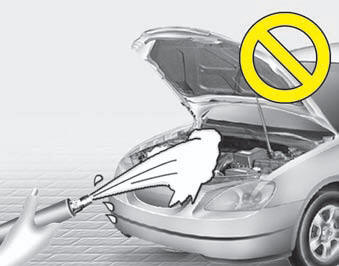
CAUTION
- Washing the engine compartment with water, including high-pressure washing, may cause electrical circuits in the engine compartment to malfunction.
- Never allow water or any liquid to come into contact with electrical or electronic components inside the vehicle, as they may be damaged.
Waxing
Wax the vehicle when water no longer forms droplets on the finish.
Wash and dry the vehicle before applying wax. Use a good-quality liquid or paste wax and follow the manufacturer's instructions.
Wax all metal trim to protect it and maintain its luster.
Removing oil, road tar and similar substances with a solvent usually removes the wax. Make sure to reapply wax to these areas, even if the rest of the vehicle does not yet need waxing.
CAUTION- Wiping dust or dirt off the body with a dry cloth may scratch the finish.
- Do not use steel wool, abrasive cleaners or strong detergents containing alkaline or caustic agents on chrome or anodized aluminum parts. They may damage the protective finish and cause discoloration or deterioration of the paint.
Repairing Finish Damage
Deep scratches or rock chips on the painted surface should be repaired without delay. Exposed metal will rust quickly and may require major repair.
NOTICE
If your vehicle is damaged and requires repair or replacement of metal parts, make sure the body shop applies anti-rust primer to the repaired or replaced parts.
Maintaining Bright Metal Parts
- To remove road tar and insects, use a tar remover and not a scraper or other sharp object.
- To protect the surface of bright metal parts against corrosion, apply a coat of wax or chrome preservative and rub until a high luster is achieved.
- In winter or in coastal areas, apply a thicker coat of wax or preservative to bright metal parts. If necessary, coat the parts with a non-corrosive petroleum jelly or another similar protective compound.
Maintaining the Underbody
Corrosive materials used to remove ice and snow and for dust control can build up on the underbody. If these materials are not removed, accelerated rust may form on underbody parts such as fuel lines, frame, floor pan and exhaust system, even if they have been treated with rust inhibitor.
Rinse the underbody and wheel housings thoroughly with lukewarm or cold water once a month, after off-road driving and at the end of each winter. Pay particular attention to these areas because it is difficult to see all the mud and dirt that has accumulated. Spraying road grime without removing it does more harm than good. Do not let dirt block the drain holes in the lower door areas, rocker panels and frame members; trapped water in these areas will cause rust.
WARNINGAfter washing the vehicle, test the brakes by driving slowly to see whether they have been affected by water. If braking performance is reduced, dry the brakes by lightly pressing the brake pedal while maintaining a slow speed.
Maintaining Aluminum or Chrome Wheels
Aluminum and chrome wheels are covered with a clear protective coating.
- Do not use abrasive cleaners, polishing compounds, solvents or wire brushes on aluminum or chrome wheels. They may scratch or damage the finish.
- Allow the wheel to cool before cleaning it.
- Use only a mild soap or pH-neutral detergent and rinse thoroughly with water. Be sure to clean the wheels after driving on salted roads. This helps protect against corrosion.
- Avoid washing the wheels with high-speed car wash brushes.
- Do not use alkaline or acidic detergents. They could damage and corrode aluminum or chrome wheels coated with a clear protective finish.
Corrosion Protection
Protecting the Vehicle Against Corrosion
By using the most advanced designs and construction practices to combat corrosion, we can build vehicles of the highest quality. However, this is only part of the job.
To achieve long-term corrosion protection, the help and cooperation of the vehicle owner are required.
Common Causes of Corrosion
The following are the most common causes of corrosion on a vehicle:
- Road salt, dirt and moisture allowed to accumulate underneath the vehicle.
- Removal of paint or protective coatings by stones, gravel, abrasion, or small chips and scratches that leave the metal unprotected and exposed to corrosion.
High-Corrosion Areas
If you live in an area where your vehicle is regularly exposed to corrosive materials, corrosion protection is especially important. Common causes of accelerated corrosion include road salt, dust-control chemicals, salt air from the sea, and industrial pollution.
Moisture Causes Corrosion
Moisture creates conditions favorable to corrosion. For example, corrosion will be accelerated by high humidity, especially when the temperature is just above freezing. In such conditions, the corrosive material is held in contact with the vehicle surfaces by moisture that evaporates very slowly.
Mud is particularly corrosive because it takes a long time to dry and retains moisture in contact with the vehicle. Although mud may appear dry, it still retains moisture and promotes corrosion.
High temperatures can also accelerate corrosion in parts that are not well ventilated, preventing moisture from dissipating. For all these reasons, it is especially important to keep your vehicle free of mud or accumulation of other materials. This applies not only to visible surfaces but especially to the underbody of the vehicle.
Helping to Prevent Corrosion
You can help prevent corrosion by observing the following points:
Keep Your Vehicle Clean
The best way to prevent corrosion is to keep your vehicle clean and free of corrosive materials.
Pay particular attention to the underbody of the vehicle.
- If you live in a high-corrosion area, where road salt is used, near the sea, in areas of industrial pollution, acid rain, etc., you should pay particular attention to corrosion protection. In winter, rinse the underbody of the vehicle at least once a month, and at the end of winter, be sure to thoroughly clean the underbody.
- When cleaning the underbody of the vehicle, pay particular attention to components behind the wheel arches and in crevices. Be thorough; merely wetting the mud rather than washing it off completely will accelerate corrosion rather than prevent it. Pressurized water and steam are particularly effective at removing mud and corrosive deposits.
- When cleaning the door bottoms, rocker panels and frame members, make sure the drain holes remain open so that moisture can escape and does not remain trapped in the panels and form rust.
Keep Your Garage Dry
Do not park your vehicle in a damp, poorly ventilated garage. This creates an environment favorable to corrosion.
This is especially true if you wash your vehicle in the garage or park it while it is still wet or covered with snow, ice or mud. Even a heated garage can contribute to corrosion unless it is well ventilated to dissipate moisture.
Keep Paint and Trim in Good Condition
Scratches and chips in the finish should be touched up with touch-up paint as soon as possible to reduce the risk of corrosion. If you can see bare metal, we recommend having the work done at a qualified body shop.
Bird droppings: Bird droppings are highly corrosive and can damage painted surfaces within hours.
Always clean bird droppings off as soon as possible.
Do Not Neglect the Interior
Moisture can build up in the passenger compartment, under the floor mats, and cause corrosion. Check regularly under the floor mats to make sure everything is dry. Be very careful if you transport fertilizers, cleaning materials or chemicals in your vehicle.
These products should only be transported in suitable containers, and any spill should be wiped up immediately, rinsed with clean water and thoroughly dried.
Interior Care
General Interior Warnings
Keep caustic substances such as perfumes and cosmetic oils away from the instrument panel, as they can cause damage or discoloration. If these products touch the instrument panel, wipe them off immediately. See the instructions for cleaning vinyl correctly.
CAUTIONNever allow water or other liquids to contact electrical or electronic components inside the vehicle, as they could be damaged.
CAUTIONUse a neutral detergent or a low-alcohol solution to clean leather (steering wheel, seats, etc.). Using a high-alcohol solution or an acidic/alkaline detergent could discolor or strip the leather surface.
Cleaning upholstery and interior trim
Vinyl
Remove dust and dirt from vinyl using a feather duster or a vacuum cleaner. Clean the vinyl with a vinyl cleaner.
Fabric
Remove dust and dirt from fabric using a feather duster or a vacuum cleaner. Clean the fabric with a mild soap solution recommended for upholstery or carpets.
Clean fresh stains immediately with a stain remover. If you do not clean them immediately, the fabric will remain stained and may discolor. In addition, the flame-retardant properties of the fabric will be reduced if it is not properly maintained.
CAUTIONUsing a product other than the recommended cleaners and procedures may change the appearance of the fabric and reduce its flame-retardant properties.
Cleaning the seat belts
Clean the seat belt webbing with a mild soap solution recommended for upholstery or carpets. Follow the instructions supplied with the soap. Do not bleach or re-dye the webbing, as this may weaken it.
Cleaning the inside surface of the windows
If the inside of the windows fogs up (becomes covered with an oily, greasy or waxy film), you can clean the windows with a glass cleaner. Follow the instructions on the product container.
CAUTIONDo not scrape or scratch the inside surface of the rear window, as you may damage the rear defroster grid.
Test yourself
A quick Kia Optima DL3 quiz: every answer comes with an explanation and a link to the manual page.