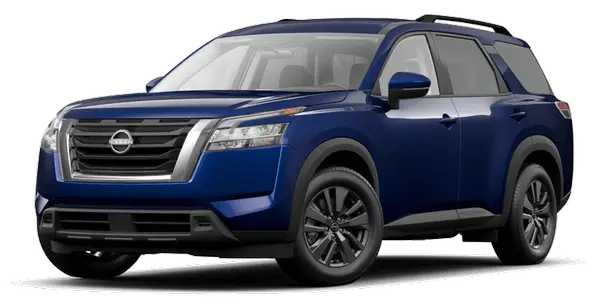
Starting and driving - Break-in schedule
CAUTION
During the first 1,200 miles (2,000 km), follow these break-in recommendations carefully to help the Nissan Frontier deliver its best engine performance and to support long-term reliability, durability, and fuel economy. Ignoring these guidelines during the early mileage period may shorten engine life and reduce overall engine performance.
- Avoid driving for extended periods at one constant speed, whether fast or slow, and do not run the engine above 4,000 rpm.
- Do not accelerate at full throttle in any gear.
- Avoid quick starts, especially before the engine and drivetrain have had time to settle into normal use.
- Avoid hard braking as much as possible, except when braking firmly is required for safety.
- Do not tow a trailer during the first 500 miles (805 kilometers). Towing too early may place excessive load on the engine, axle, or other components of the Nissan Frontier and could cause damage.
Fuel efficient driving tips
Follow these practical fuel-efficient driving tips to help you get better fuel economy from your Nissan Frontier while also encouraging smoother, more controlled driving habits.
1. Use Smooth Accelerator and Brake Pedal Application
- Avoid rapid starts and sudden stops whenever traffic conditions allow.
- Use smooth, gentle accelerator and brake pedal application whenever possible.
- Maintain a steady speed during commuting and allow the Nissan Frontier to coast when it is safe and appropriate to do so.
2. Maintain Constant Speed
- Look ahead in traffic to anticipate changing conditions and reduce unnecessary stops.
- Matching your speed with traffic light timing can help reduce the number of complete stops.
- Maintaining a steady speed can reduce frequent red light stops and help improve fuel efficiency.
3. Use Air Conditioning (A/C) at Higher Vehicle Speeds
- Below 64 km/h, opening the windows may be more efficient for cooling the cabin because it reduces engine load from A/C use.
- Above 64 km/h, using the A/C is often more efficient for cooling because open windows create additional aerodynamic drag.
- Using the recirculation mode when the A/C is on helps keep cooled air inside the cabin and reduces the cooling load.
4. Drive at Economical Speeds and Distances
- Following the posted speed limit and avoiding speeds above 97 km/h, where legally allowed, can improve fuel efficiency by reducing aerodynamic drag.
- Keeping a safe following distance behind other vehicles helps reduce unnecessary braking and supports smoother driving.
- Safely watching traffic ahead and anticipating changes in speed allows for gentler braking and more gradual acceleration.
- Select a gear range that matches road conditions, vehicle load, and driving speed.
Good break-in habits and smooth driving techniques can help the Nissan Frontier feel more responsive, operate more efficiently, and maintain dependable performance over many miles of everyday use.
5. Use Cruise Control
- Using cruise control during highway driving can help the Nissan Frontier maintain a consistent speed, reducing unnecessary acceleration and deceleration.
- Cruise control is especially useful for fuel savings when traveling on flat roads or open highways where traffic flow remains steady.
6. Plan for the Shortest Route
- Use a map, navigation system, or route-planning app to choose the most efficient route, helping save time, reduce unnecessary mileage, and improve fuel economy in the Nissan Frontier.
7. Avoid Idling
- When it is safe and practical, shutting off the engine during stops longer than 30-60 seconds can save fuel and reduce emissions.
8. Buy an Automated Pass for Toll Roads
- Automated toll passes allow drivers to use designated lanes and maintain a smoother cruising speed through toll areas, helping avoid repeated stopping and starting.
9. Winter Warm Up
- Limit idling time in cold weather to reduce the impact on fuel economy.
- Most vehicles typically need no more than 30 seconds of idling at start-up to circulate engine oil effectively before driving.
- Your Nissan Frontier will usually reach its ideal operating temperature more quickly while being driven gently than while sitting and idling.
10. Keeping your Vehicle Cool
- Park your vehicle in a covered parking area, garage, or shaded location whenever possible to help reduce cabin heat buildup.
- When entering a hot vehicle, opening the windows first can help release trapped heat more quickly, reducing the demand on the A/C system once you begin driving.
Increasing fuel economy
- Keep your engine properly tuned so the Nissan Frontier can operate efficiently and deliver consistent performance.
- Follow the recommended scheduled maintenance to help preserve fuel economy, reliability, and long-term drivability.
- Keep the tires inflated to the correct pressure.
Low tire pressure increases rolling resistance, accelerates tire wear, and lowers fuel economy.
- Keep the wheels in correct alignment. Improper alignment increases tire wear and can reduce fuel efficiency.
- For Nissan Frontier vehicles equipped with 4X4, use the 4H or 4L position only when necessary. 4-Wheel Drive operation increases drivetrain load and lowers fuel economy.
- Use the recommended viscosity engine oil to support proper lubrication, efficient operation, and dependable engine protection.
Combining smooth driving habits, proper tire care, regular service, and smart route planning can help the Nissan Frontier use fuel more efficiently in daily driving, highway travel, and seasonal conditions.
5. Use Cruise Control
- When driving your Nissan Frontier on highways, using cruise control can help the vehicle maintain a consistent speed and reduce unnecessary acceleration.
- Cruise control is especially useful on long, level roads, where steady speed management can support better fuel efficiency and a smoother driving experience.
6. Plan for the Shortest Route
- Before starting your trip in the Nissan Frontier, use a map or navigation system to choose the most efficient route, helping save time, reduce mileage, and avoid unnecessary fuel use.
7. Avoid Idling
- When it is safe to do so, turn off the engine during stops longer than 30-60 seconds to help conserve fuel, reduce emissions, and improve overall Nissan Frontier operating efficiency.
8. Buy an Automated Pass for Toll Roads
- Automated toll passes allow drivers to use designated lanes, helping the Nissan Frontier maintain a smoother cruising speed through toll areas instead of repeatedly stopping and accelerating.
9. Winter Warm Up
- Keep warm-up idling time short to reduce unnecessary fuel consumption during cold-weather starts.
- In most conditions, the Nissan Frontier typically needs no more than about 30 seconds of idling after start-up to begin circulating engine oil effectively before driving.
- Your vehicle usually reaches its proper operating temperature faster while being driven gently than while sitting and idling for an extended period.
10. Keeping your Vehicle Cool
- Whenever possible, park your Nissan Frontier in a shaded location or covered parking area to reduce heat buildup inside the cabin.
- When entering a hot vehicle, open the windows briefly to release trapped heat more quickly, which can reduce the initial workload on the A/C system and support better fuel economy.
Increasing fuel economy
- Keep the engine properly tuned so your Nissan Frontier can operate as efficiently and reliably as possible.
- Follow the recommended scheduled maintenance intervals, since clean filters, fresh fluids, and properly serviced components all contribute to better long-term fuel economy.
- Keep the tires inflated to the correct pressure.
Low tire pressure increases rolling resistance, accelerates tire wear, and can noticeably reduce fuel economy.
- Keep the wheels correctly aligned. Improper alignment increases tire wear, creates unnecessary drag, and lowers fuel efficiency.
- For Nissan Frontier models equipped with 4X4, use the 4H or 4L position only when driving conditions require it. 4-Wheel Drive operation can reduce fuel economy when it is not needed.
- Use the recommended viscosity engine oil to help reduce internal friction and support proper engine performance.

 Intelligent Driver Alertness (I-DA)Using 4-Wheel Drive (4WD)