Electronic Stability Control (ESC)
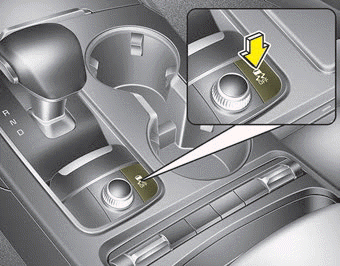
The Electronic Stability Control (ESC) system is designed to stabilize the vehicle when cornering. ESC checks where you are steering and where the vehicle is actually going. ESC brakes individual wheels and intervenes with the engine control system to stabilize the vehicle.
Electronic Stability Control (ESC) cannot prevent accidents. Excessive speed in turns, sudden maneuvers, and hydroplaning on wet surfaces can still result in serious accidents. Only a safe and attentive driver can prevent accidents by avoiding maneuvers that cause loss of traction. Even with ESC, always observe all normal driving precautions, including driving at a speed safe for the conditions.
WARNING
For maximum protection, always wear your seat belt. No system, however advanced, can compensate for all driver errors and/or driving conditions. Always drive responsibly.
The Electronic Stability Control (ESC) is an electronic system designed to help the driver maintain control of the vehicle in adverse conditions. It is not a substitute for safe driving. Factors including speed, road conditions, and driver steering inputs may affect whether ESC can effectively prevent loss of control. You are still responsible for driving and cornering at a reasonable speed and leaving sufficient safety margin.
When you depress the brake pedal in conditions where the wheels may lock, you may hear a "tick-tick" sound from the brakes or feel a corresponding pulsation in the brake pedal. This is normal and means that your ESC is active.
✽ NOTICE
A clicking sound may be heard from the engine compartment when starting the vehicle or when moving off after starting the engine. These conditions are normal and indicate that the Electronic Stability Control system is operating normally.
Cruise Control Operation
ESC On Condition

- When the ignition switch is turned ON, the ESC and ESC OFF indicators illuminate for approximately 3 seconds, and then the ESC system turns on.
- Press and hold the ESC OFF button for at least 0.5 seconds after turning the ignition switch ON to turn off the ESC (the ESC OFF indicator will illuminate). To turn the ESC on, press the ESC OFF button again (the ESC OFF indicator will turn off).
- When the engine is started, you may hear a slight ticking sound. This is the ESC performing an automatic self-check and does not indicate a problem.
During Operation

When ESC is operating, the ESC indicator flashes.
- When the Electronic Stability Control is operating properly, you may feel a slight pulsation in the vehicle. This is only the effect of brake control and does not indicate anything abnormal.
- When freeing the vehicle from mud or driving on a slippery road, pressing the accelerator pedal may not increase engine speed (rpm).
ESC OFF
ESC OFF Status

There are two types of ESC OFF status: Traction Control is turned off, and Traction & Stability Control is turned off.
If the ignition is turned off while the ESC system is off, the ESC system remains off. After restarting the engine, the ESC system will turn on automatically again.
• ESC OFF Status 1
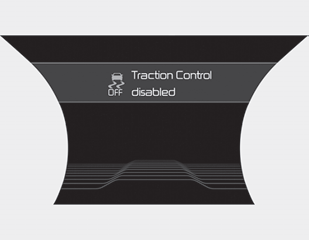
To cancel the ESC OFF operation, press the ESC OFF button. ) briefly (the ESC OFF indicator (ESC OFF) illuminates).) is illuminated. In this state, the engine control function does not operate, which means the traction control function does not operate. Only the brake control function operates.
• ESC OFF Status 2

To cancel the ESC OFF operation, press the ESC OFF button.) for more than 3 seconds. The ESC OFF indicator light (ESC OFF) illuminates and the ESC OFF warning sound is heard. In this state, the engine control function and the brake control function do not operate. This means the vehicle stability control function no longer operates.
Indicator

When the ignition switch is turned to the ON position, the indicator illuminates and then turns off if the ESC system is operating normally.
The ESC indicator flashes when the ESC is operating, or illuminates when the ESC is not operating.
The ESC OFF indicator illuminates when ESC is turned off using the ESC OFF button.
WARNING! Electronic Stability Control
Drive carefully, even if your vehicle is equipped with Electronic Stability Control. It can help you maintain control only under certain circumstances.
Using ESC OFF
While driving
- The ESC should be turned on for everyday driving whenever possible.
- To turn off the ESC while driving, press the ESC OFF button while driving on a level road surface.
WARNING! ESC Operation
Never press the ESC OFF button while ESC is operating (ESC indicator flashing). If ESC is turned off while it is operating, the vehicle may skid out of control.
✽ NOTICE
- When operating the vehicle on a chassis dynamometer, make sure the ESC system is turned off (ESC OFF indicator illuminated). If ESC is left on, it may prevent the vehicle speed from increasing and result in an incorrect diagnosis.
- Turning off the ESC does not affect the operation of the ABS or the brake system.
Test yourself
A quick Kia Stinger CK quiz: every answer comes with an explanation and a link to the manual page.