Variable Intake Solenoid (VIS)
Specifications
Specification
| Item | Specification |
| Coil Resistance (Ω) | 30,0–35,0 [22 °C] |
Description and Operation
Description
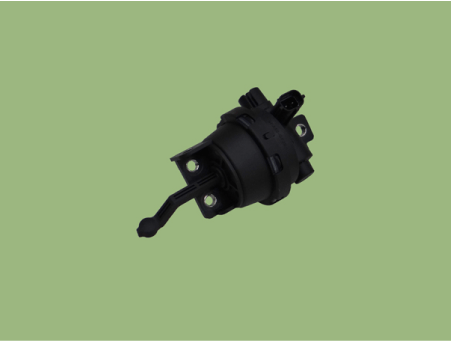
The Variable Intake Solenoid Valve (VIS) controls the vacuum modulator, which actuates the valve in the intake manifold.
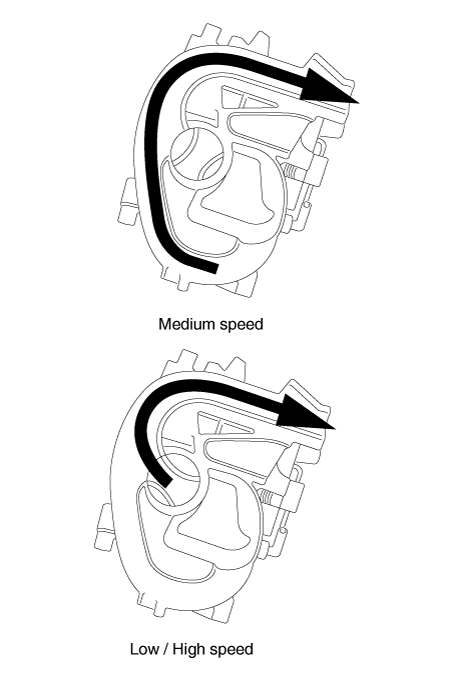
The ECM opens or closes this valve depending on engine conditions (refer to the table below).
| Engine Status | VIS Valve | Operation |
| Average Speed | Closed | Improves engine performance at low engine speeds by reducing intake interference between cylinders. |
| Low/High Speed | Open | Minimizes intake resistance by shortening the intake manifold length and increasing the air inlet area. |
Components and Component Location
Component Location
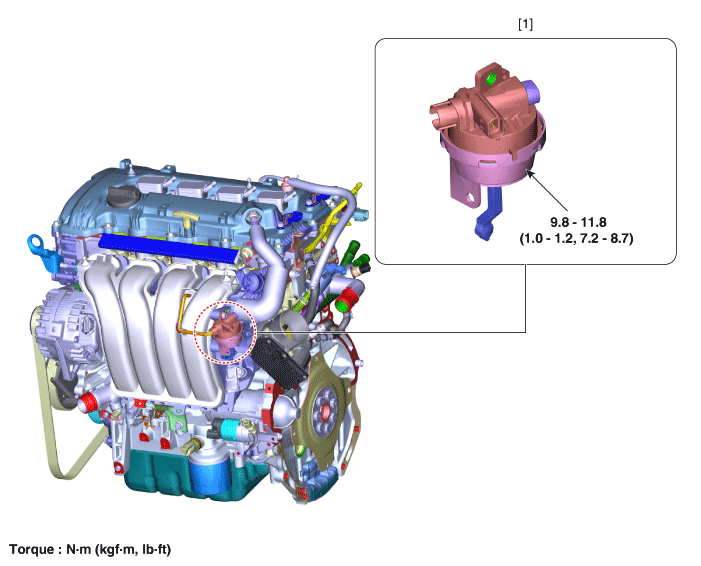
| 1. Variable Induction Solenoid (VIS) Valve |
Circuit Diagrams
Wiring Diagram

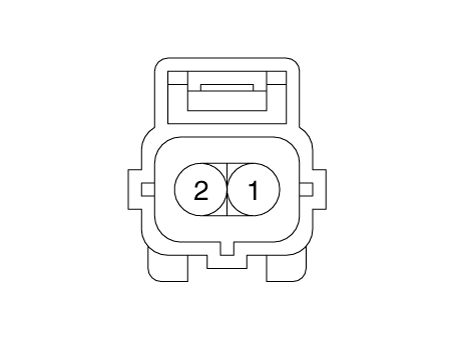
Harness Connector
Repair Procedures
Inspection
The engine control system can be diagnosed more quickly for malfunctions using the Kia Diagnostic System (KDS). (Refer to Diagnostic Trouble Code Guide)
KDS provides the following information.
Self-diagnosis: Checks and displays diagnostic trouble codes (DTC).
Data list: Checks the input/output values of the system.
Active test: Checks the operating condition of the system.
Additional functions: System option control, zero point adjustment, and other functions.
Component Inspection
Turn the ignition off.
Disconnect the VIS valve connector.
Measure the resistance between terminals 1 and 2 of the VIS valve.
Specification: 30.0–35.0 [22 °C]
Removal
Disconnect the negative battery cable.
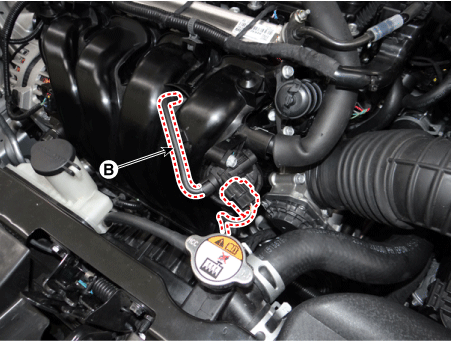
Disconnect the variable induction solenoid valve connector (A) and the vacuum hose (B).
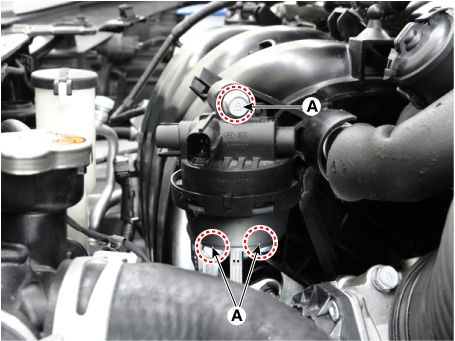
Remove the VIS valve by loosening the mounting bolts (A).
Tightening Torque: 9.8–11.8 N·m
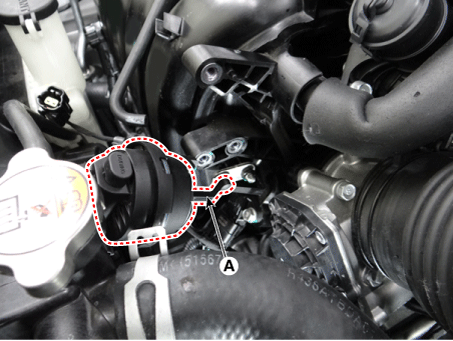
Remove the VIS valve (A) after loosening the rod.
Installation
Install in the reverse order of removal.
Test yourself
A quick Kia Optima DL3 quiz: every answer comes with an explanation and a link to the manual page.