Brake System
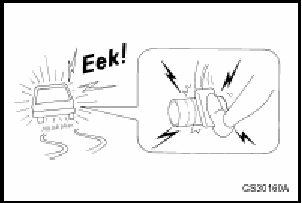
All brake system components are critical to safety. Have the vehicle serviced regularly (according to schedule) at an authorized Hyundai dealer.
1. The service brake is divided into two brake circuits, so if one brake circuit fails, the second remains available to stop the vehicle.
However, if this occurs, press the brake pedal harder than usual, stop the vehicle as soon as possible, and have the brake system serviced at the nearest authorized Hyundai dealer.
2. Do not place a thick floor mat around the brake pedal; it may prevent full pedal travel, which is needed in emergencies. Make sure the pedal can be operated freely.
3. If the vehicle is equipped with a brake system warning light, the light will come on if the brake fluid level is abnormally low.
4. If the vehicle is equipped with a brake booster, the booster assist is lost after pressing the brake pedal once or twice with the engine off. If this occurs, the brake requires more force than usual. This is especially important when towing the vehicle.
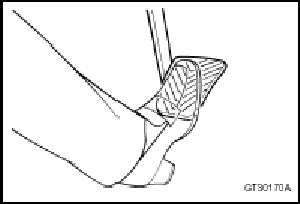
5. Check the brake system by driving at low speed immediately after starting, especially if the brakes are wet, to determine whether the brakes are working normally. After driving through heavy rain or deep puddles, or after washing the vehicle, a water film may form on the brake discs or brake drums, which can interfere with normal operation.
If this occurs, lightly tap the brake pedal several times while driving to dry the brakes.
6. Use engine braking by shifting to a lower gear when descending a steep slope to prevent the brakes from overheating.
7. Periodically check that the brake system warning light functions correctly.
8. With new brake pads, avoid full brake application during the first 200 km (124 miles) of driving, if possible.
Test yourself
A quick Hyundai H1 quiz: every answer comes with an explanation and a link to the manual page.