Ignition system operating principle
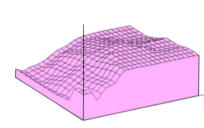
If a diagram is plotted showing the ignition advance angle as a function of engine load and speed, the result is the so-called ignition characteristic map. The more complex its shape, the more precisely the ignition is matched to the respective operating condition of the engine.
The basic principle of ignition is that current from the battery first flows to the primary winding of the ignition coil.
This winding consists of several turns of thick wire. When electric current flows through it, a strong magnetic field is created around the iron core in the ignition coil; this is the energy supplied to the ignition system.
When the piston approaches the point at which the compressed mixture must ignite (the ignition point), the current in the ignition coil is interrupted. This occurs on command from the control unit in the electronic ignition switch.
When the current is interrupted, the magnetic field in the ignition coil collapses. As a result, a high-voltage current pulse of several tens of thousands of volts is induced in the secondary winding, which consists of a very large number of turns of fine wire.
This secondary ignition voltage is delivered through the distributor (on 6-cylinder models, directly) to the spark plug whose firing order has come up according to the engine's firing sequence. The mixture ignites, and the engine continues to rotate. The electrical circuit closes, and the process repeats.
Test yourself
A quick Audi 80 quiz: every answer comes with an explanation and a link to the manual page.