Relieving Fuel System Pressure
Gasoline is an extremely flammable liquid! Observe all fire safety precautions when working on fuel system components. Do not smoke! Do not work near open flames or unshielded portable lights! Do not service the system in areas with gas-fired appliances with a pilot light (such as water heaters and clothes dryers). Remember that gasoline is a carcinogen, i.e., a substance that can cause cancer! Avoid skin contact with fuel; wear rubber protective gloves, and if accidental contact occurs, wash hands thoroughly with warm water and soap. Collect spilled fuel immediately and do not leave fuel-soaked rags near open flames. Remember that fuel injected fuel system is always under pressure. Before disconnecting any fuel lines, relieve the residual pressure in the system. Wear safety glasses when servicing fuel system components. Always keep a Class B fire extinguisher on hand!
PROCEDURE
1. After removing the fuel filler cap, relieve the excess pressure in the fuel tank. Remove the carpet from the luggage compartment floor and disconnect the wiring from the fuel pump/fuel gauge sender unit access cover (see Fuel Pump Removal and Installation section).
2. Start the engine and let it stop on its own (run out of fuel). Disconnect the negative battery cable.
If the installed audio system has an anti-theft code, make sure you have the correct code to reactivate the audio system before disconnecting the battery!
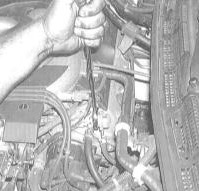
3. Using an open-end wrench, loosen the fuel pulsation damper to relieve residual pressure in the fuel line. Be sure to place a dry rag under the damper to catch any fuel released.
4. After completing fuel system service, tighten the fuel pulsation damper to the specified torque. Restore the original wiring connections and connect the battery.
Test yourself
A quick Honda Accord quiz: every answer comes with an explanation and a link to the manual page.