Removal and Installation of A/C Evaporator with Expansion Valve
The air conditioning system is always under high pressure. Never disconnect the refrigerant lines or remove any system components without first discharging the system. The air conditioning system must be discharged by an experienced technician in an auto repair shop. Always wear safety glasses when disconnecting refrigerant lines!
When replacing air conditioning system components, a certain amount of replacement refrigerant oil is required to fill the new component. Use only oil approved for R-134a systems (read the label on the container carefully).
REMOVAL
PROCEDURE
1. Discharge the air conditioning system at a specialized repair shop.
2. Disconnect the negative cable from the battery.
If the vehicle is equipped with an anti-theft audio system, before disconnecting the battery make sure you have the correct code to reactivate the audio system!

3. Remove the bolts and disconnect the two refrigerant lines from the evaporator.
4. Immediately plug the open ends of the lines and fittings to prevent dirt from entering the system.
5. Remove the passenger knee bolster, the metal bar located beneath it, and the glove box with its frame (see Body section).
6. Disconnect the wiring from the thermostat.
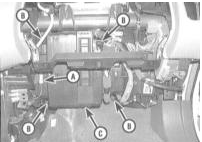
7. Release the clips securing the evaporator case to the firewall and instrument panel.
8. Disconnect the drain hose and remove the evaporator assembly from the vehicle.
9. Remove the temperature-sensitive sensor from the evaporator.
10. Remove the air filters with their trays (see Maintenance and Adjustment section), then remove the screws, separate the case into two halves and remove the evaporator. If necessary, remove the expansion valve.
INSTALLATION
PROCEDURE
1. Installation is the reverse of removal. Do not forget to replace the fitting O-rings; lubricate the new O-rings with R-134a refrigerant oil before installation. Tape the expansion valve capillary tube to the suction line and reinstall the temperature-sensitive sensor in its original position.
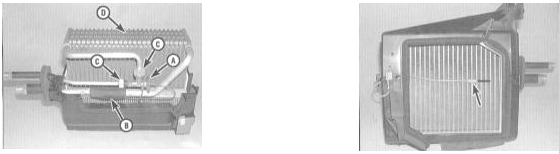
2. Charge the system and check it for leaks at a specialized repair shop. When replacing the evaporator, add approximately 40 ml of refrigerant oil to the system.
Test yourself
A quick Honda Accord quiz: every answer comes with an explanation and a link to the manual page.