Air Conditioning System - Service
The air conditioning system is constantly under high pressure. Never disconnect the refrigerant lines or remove any system components without first discharging the system. The air conditioning system must be discharged by an experienced technician in a workshop. Always wear safety glasses when disconnecting refrigerant lines!
When replacing air conditioning system components, a certain amount of replacement refrigerant oil will be required to fill the new component. Use only oil approved for R-134a systems (carefully read the label on the container).
Maintenance
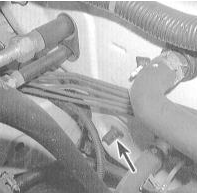
Perform the following inspections regularly to keep the air conditioning system in good operating condition:
a) Check the condition of the compressor drive belt. If defects or signs of wear are found, replace the belt (refer to Maintenance and Adjustment);
b) Check the drive belt tension and adjust if necessary (refer to Maintenance and Adjustment);
c) Check the refrigerant hoses for cracks, bulges, and signs of hardening or aging of the rubber. Replace if necessary;
d) Check the condenser fins for trapped insects, old leaves, and other debris. If necessary, clean the gaps with a fine brush or blow them out with compressed air;
e) Check the system refrigerant charge level;
f) If water stains are found on the carpets in the passenger compartment under the instrument panel, remove the condensate drain tube from the evaporator case (located in the lower front corner) and check that both openings are clear using a piece of wire.
The air conditioning system must be switched on for at least 10 minutes at least once a month (even in winter). Prolonged inactivity of the A/C causes the seals and O-rings of the connection lines to harden and fail.
When the defrost function is activated, the A/C compressor is engaged.
If the A/C malfunctions, first check the operation of the compressor clutch (refer to Compressor Clutch Electrical Circuit Check).
Due to the complexity of the system and the need for special equipment, its service, detailed diagnosis, and repair are beyond the scope of an average home mechanic and must be performed at a repair shop. The owner is only responsible for the simple checks and replacements listed in this Section.
The most common cause of A/C malfunction is a low refrigerant oil level. The simple checks below will quickly reveal signs of low refrigerant level.
Test yourself
A quick Honda Accord quiz: every answer comes with an explanation and a link to the manual page.