Recommended cold tire inflation pressures
In this manual: Recommended cold tire inflation pressures
~2min read
The pressures of all tires (including the spare) must be checked daily when the tires are cold. Cold tires means the vehicle has been parked for at least three hours or has been driven no more than 1.6 km.
For the best ride comfort, maximum handling, and minimum tire wear, always maintain the recommended inflation pressures.
For the specified inflation pressures, refer to “Wheels and tires” in chapter 8.
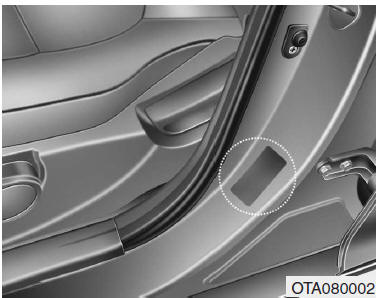
The specifications (sizes and pressures) are shown on a label affixed to the vehicle.
WARNING - Insufficient tire inflation Significant underinflation of the tires can cause excessive heat buildup, with possible tire explosion, tread separation, and other tire failures that may lead to loss of vehicle control, resulting in serious or fatal injury. The risk is much higher on hot days and during prolonged high-speed driving.WARNING
- Underinflation can also cause excessive wear, handling problems, and higher fuel consumption. Wheel deformation is also possible.
WARNING
- When tires are hot, it is normal for pressures to be 28 to 41 kPa higher than the recommended cold pressures. Do not release air from hot tires to adjust inflation pressure, or the correct pressure will be too low.
- Make sure to reinstall the tire valve caps. Without the cap, dirt or moisture can enter the valve and cause air leakage. If a valve cap is lost, install a new one as soon as possible.
WARNING - Tire pressure Always observe the instructions below:
- Check the pressure when the tires are cold (after the vehicle has been parked for at least three hours or has not been driven more than 1.6 km).
- Check the spare tire pressure every time you measure the pressure of the other tires.
- Never overload the vehicle. When a roof rack is fitted, take care not to overload it.
- Worn or old tires can cause accidents. If the tread is heavily worn or the tires are damaged, they must be replaced.
Test yourself
A quick Kia Picanto JA quiz: every answer comes with an explanation and a link to the manual page.
Was this page helpful?