Engine Oil Pressure Check
PROCEDURE
1. A drop in oil pressure can be considered a sign that the engine requires overhaul. The oil pressure warning lamp is not a diagnostic tool for the lubrication system; it only informs the driver of a dangerous drop in oil pressure. Even the oil pressure gauge built into the instrument panel, despite the level of detail it provides, should be regarded only as an indicator. To obtain oil pressure data that can be compared with the requirements in the Specifications, use a mechanical (not electrical!) pressure gauge in combination with an accurate tachometer.
2. Locate the oil pressure switch/sender unit.
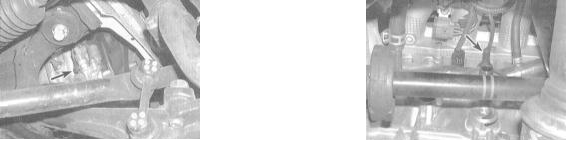
3. Remove the oil pressure switch and install an adapter fitting in its place for connecting the mechanical pressure gauge. To seal the threaded connection of the adapter, use PTFE (Teflon) sealing tape or thread sealant tape.
4. Connect an accurate tachometer to the engine in accordance with the manufacturer's instructions.
5. Check the oil pressure with the engine running at the speed specified in the Specifications and warmed up to normal operating temperature. Compare the measurement results with the specified data. If the oil pressure is excessively low, evaluate the degree of wear of the bearings and the oil pump.
Test yourself
A quick Honda Accord quiz: every answer comes with an explanation and a link to the manual page.