Wheels and Tires - General Information
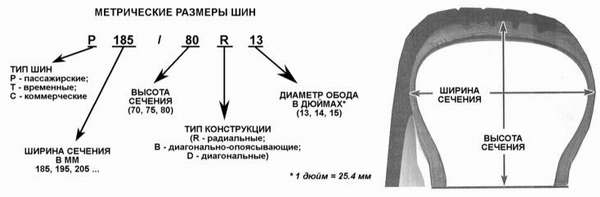
The wheels of all vehicle models described in this Manual are fitted with metric-size radial tyres with fibreglass or steel cord. Fitting tyres of a different size to the vehicle may affect its handling and ride comfort.
Never fit tyres of different construction on the same axle! It is recommended to replace the tyres on both wheels of one axle at the same time. If only one wheel is being replaced, make sure the replacement tyre is the same size as the paired tyre.
Maintaining the correct tyre pressure is extremely important for vehicle handling. Check the tyre inflation pressure regularly, at least once a month (refer to Maintenance and Adjustments chapter). Also check the pressure before every long trip.
Wheel rims must be replaced if they are deformed, if the tyre bead no longer seats properly on the rim (tubeless tyres), if they are heavily corroded, if they are out of vertical alignment, if the bolt holes have become oval-shaped, or if the wheel nuts repeatedly loosen on their own. Repair of damaged rims by welding or riveting is not recommended.
Rim deformation is usually caused by hitting a kerb during careless parking. Do not continue to drive the vehicle with bent rims — the wheel must be repaired at a tyre service workshop. To inspect the rims, raise the vehicle with a jack and support it on safety stands. Visually check the rims for cracks and signs of deformation.
Wheel balance of the assembled wheel is an important factor determining the vehicle's driving and braking characteristics. Imbalance can significantly reduce vehicle handling, not to mention a noticeable reduction in tyre service life. Each time a tyre is replaced, the wheel must be balanced at a tyre service workshop.
Test yourself
A quick Honda Accord quiz: every answer comes with an explanation and a link to the manual page.