Fuses - General Information
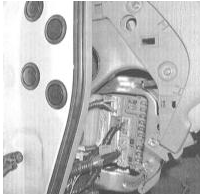
Various combinations of fuses, circuit breakers and fusible links are used to protect the vehicle's electrical circuits. Two fuse/relay boxes are located under the instrument panel, and one is located in the right side of the engine compartment next to the battery.

Each individual fuse protects a specific electrical circuit or several circuits. The fuse box layout identification chart is usually attached to the inside of the fuse box cover.

The fuse boxes use compact fuses with blade terminals, which can be easily removed from their sockets by hand when necessary. If any electrical consumer fails, always check the corresponding fuse first. Turn the ignition key to the ON position and use a test lamp to probe the exposed terminals of each fuse. If the lamp lights when connected to both terminals, the fuse is good. If voltage is present only on the power supply side, the fuse is blown. Note that the fuse body is usually made of clear plastic, through which the condition of the element can be easily seen.
When replacing a blown fuse, be sure the replacement matches the type of the failed fuse. Fuses rated for different amperages may look physically identical but are not interchangeable. Each electrical circuit has different operating parameters and requires a different level of protection, so replacing a fuse with one of an incorrect rating can have the most serious consequences (including fire). The fuse rating (amperage) is usually marked on the plastic body of the fuse.
If a new fuse blows immediately after installation, do not continue replacing it. First locate and correct the cause of the overload in the circuit. In most cases this is a short circuit in the wiring harness caused by damaged insulation.
All vehicles covered in this Manual have a main fuse, usually rated at 80 A or 100 A. The main fuse provides overall protection for all circuits connected to the battery and blows when any circuit is overloaded, thereby preventing damage to the main wiring harness. The main fuse consists of a flat metal link that melts easily when an electrical overload occurs. Before replacing the main fuse, always disconnect the battery. Replacement main fuses are available from an authorized dealer of the vehicle manufacturer.
If the audio system installed in the vehicle has an anti-theft code, make sure you have the correct code for activating the audio system before disconnecting the battery! The main fuse is located in the fuse/relay box in the engine compartment. It looks similar to other fuses and is replaced in the same way. Remember that a blown main fuse must be replaced with one of the same amperage rating.
Test yourself
A quick Honda Accord quiz: every answer comes with an explanation and a link to the manual page.