Cooling System Inspection
INSPECTION PROCEDURE
1. A cooling system malfunction is the cause of many characteristic engine failures. On vehicles with an automatic transmission, the condition of the cooling system, which also cools the transmission fluid, significantly affects the durability and reliability of the transmission.
2. Inspect the cooling system with the engine cold. Perform the inspection before driving, or at least 3 hours after the engine has been stopped.
3. Turn the radiator cap counterclockwise to the stop. If a hissing sound is heard (indicating residual pressure in the cooling system), do not remove the cap until the pressure has been fully released. Now press down on the cap with your palm, turn it counterclockwise, and remove it. Thoroughly rinse the cap with clean water and wipe the radiator filler neck with a clean rag. Remove all traces of corrosion. The coolant in the radiator must be clear. If the coolant is rust-colored, flush the system and replace the coolant (see Subsection 4.2). If the coolant level is below the bottom of the filler neck, add a mixture of water and antifreeze (see Subsection 2.5.1.2).
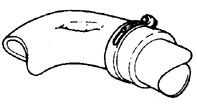
4. Inspect the upper and lower radiator hoses and the heater hoses that run from the engine to the bulkhead. Inspect the hoses along their entire length. If the hoses are swollen, cracked, or generally deteriorated, replace the hose. Cracks are easily detected by squeezing the hose. Regardless of hose condition, it is recommended to replace them every two years.
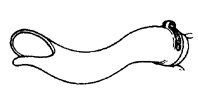
5. Always inspect the hoses for signs of burning or wear, which may cause unexpected failure and costly repairs. A soft hose indicates material breakdown; the breakdown products can contaminate the cooling system and block the radiator's internal passages.
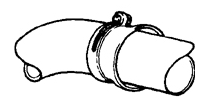
6. A hardened hose may burst at any time. Additional tightening of the clamp will not improve the seal or stop the leak.
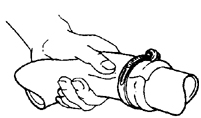
7. Swelling of the hose or oil saturation of the hose edges indicates the possibility of hose failure with dangerous consequences. Inspect the hose for cracks and tears by squeezing it.
8. Make sure all connections are secure. A coolant leak can be detected by white or brown residue near the point of leakage. If the hoses are secured with wire clamps, replace them with screw-type clamps.
9. Using compressed air or a brush, remove insects, plant debris, and foreign objects from between the radiator and A/C condenser fins, taking care not to damage the fins. Be careful, as the fins have sharp edges.
10. During subsequent inspections, or if the cooling system operates abnormally, check the condition of the radiator cap and the system pressure. If no pressure tester is available, contact an automotive service center, where this service is performed for a minimal fee.
Test yourself
A quick Toyota Corolla quiz: every answer comes with an explanation and a link to the manual page.