Fluid Level Checks - Engine Oil
Check the engine oil level using the dipstick, inserted into the guide tube and lowered until it reaches the bottom of the oil pan. On all models, the dipstick is located at the front of the engine.
Check the oil level before the first trip of the day, or at least 15 minutes after the engine has been shut off. If the check is performed immediately after shutting off the engine, the reading will not accurately reflect the actual level, because part of the oil will still be distributed in the internal galleries and engine components.
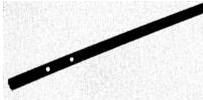
Remove the dipstick from the guide tube and wipe it dry with a clean rag or paper towel. Reinsert the dipstick fully into the tube, then remove it again. Inspect the blade and check the length of the oil-wetted section. The oil level must be between the upper and lower marks on the dipstick. If necessary, add the specified amount of oil of the correct grade to the engine.
Raising the level from the lower mark to the upper mark on the dipstick requires approximately one liter of oil. If the level falls below the lower limit, the engine will suffer oil starvation, which can cause serious mechanical damage. Also avoid overfilling above the upper mark, as this may cause oil to be thrown onto the spark plugs or may damage engine seals due to excessive pressure buildup.
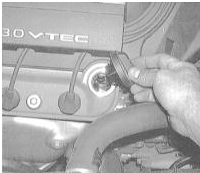
To add oil to the engine, remove the threaded oil filler cap. To minimize oil splashing while filling, use a funnel or an oil can with a long spout. After adding oil, install and tighten the oil filler cap securely, then start the engine and carefully inspect the drain plug and the oil filter mating surface for signs of oil leaks. Stop the engine, wait approximately 15 minutes for the oil to drain back into the oil pan, and check the level again.
Checking the engine oil level is an important preventive maintenance procedure. A steady decrease in level indicates oil leakage caused by failed seals, damaged gaskets, or wear of piston rings or valve guides. If the oil appears milky in color or consistency, or if water droplets are present, this may indicate a damaged cylinder head gasket or cracks in the cylinder head(s) or block. Investigate this condition immediately. Whenever checking the oil level, also check the oil condition. Use your thumb and index finger to wipe the oil from the dipstick blade. If small metal particles are present, the oil must be replaced (see Engine Oil and Oil Filter Replacement section).
Test yourself
A quick Honda Accord quiz: every answer comes with an explanation and a link to the manual page.