Fluid Level Checks - Engine Coolant
Do not allow antifreeze to come into contact with exposed skin or painted surfaces of the vehicle. Immediately wash off any accidental splashes with plenty of water. Remember that antifreeze is an extremely toxic fluid, and ingestion even in small quantities can have the most serious consequences, including death. Never leave antifreeze stored in a loosely closed container. Immediately clean up any coolant spilled on the floor. Remember that the sweet smell of antifreeze can attract children and animals. Consult local authorities on the disposal of used coolant. In many regions of the world, special collection points are available for various types of waste. Never pour used coolant into the sewer or onto the ground!
Recently, non-toxic types of antifreeze have been developed, but they must also be disposed of in an organized manner.
All vehicle models described in this Manual are equipped with a pressurized compensating-type cooling system. The translucent plastic coolant expansion tank is located in the engine compartment and is connected by an overflow hose to the base of the radiator filler neck. When the engine overheats, the coolant expands and the excess flows through the valve built into the radiator filler cap into the expansion tank. As the engine cools, the coolant returns through the hose to the radiator, which keeps the coolant level in the system at the correct level at all times.
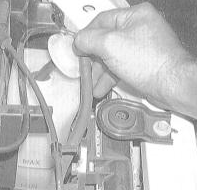
Check the coolant level in the expansion tank regularly. The level must be between the MIN and MAX marks on the translucent sides of the tank. Remember that the coolant level depends on its temperature. When the engine is cold, the level should be just above the lower mark, and after the engine has warmed up it should rise to the MAX mark. If necessary, adjust the level by adding the required amount of fresh mixture to the tank through the filler neck.
Do not remove the radiator cap to check the coolant level when the engine is hot! Use only a mixture of ethylene glycol and distilled water of the specified composition (approximately 50/50) to adjust the coolant level. Remember that frequently topping up the coolant with plain water gradually dilutes the antifreeze and the mixture loses its frost protection and anti-corrosion properties.
A constant drop in coolant level usually indicates a leak in the system. Check the radiator, hoses, filler cap, drain plugs and water pump housing for signs of leakage. If no signs of leakage can be found, have the radiator cap pressure tested at an automotive service workshop.
Never remove the radiator/expansion tank cap when the engine is hot!
If it is necessary to remove the radiator cap, wait until the engine has completely cooled, then wrap the filler neck with a thick layer of rag and slowly turn the cap to the first stop. If steam is released, allow the engine to cool further, and only then remove the cap completely.
Also check the condition of the coolant; it should be relatively clear. If the coolant is reddish-brown in color like rust, the cooling system must be drained, flushed and refilled with a fresh antifreeze and water mixture. Even if the fluid shows no visible changes, the corrosion inhibitors it contains are gradually depleted over time, so the coolant must be replaced regularly in accordance with the scheduled maintenance chart.
Try not to allow antifreeze to come into contact with exposed skin or painted body panels. Immediately wash off any accidental splashes with plenty of water.
Test yourself
A quick Honda Accord quiz: every answer comes with an explanation and a link to the manual page.